
Will diamond blade cut aluminum safely? Learn when it works, when it doesn’t, and the right way to cut aluminum without damaging your blade.
If you work with metal or construction materials, you’ve probably asked this at some point: will diamond blade cut aluminum?
It’s a fair question. Diamond blades are known for cutting extremely hard materials like concrete, stone, tile, and asphalt.
So it’s easy to assume they can handle aluminum, too.
But aluminum behaves very differently from those materials. And if you use the wrong blade, you can ruin both your cut and the blade itself.
I’ve seen this happen on job sites more than once. Someone grabs the nearest blade, starts cutting aluminum, and within seconds, the blade gums up or overheats.
Before you try it, it helps to understand how these blades actually work.
For more technical questions about blade compatibility or material cutting, many contractors reach out to specialists who deal specifically with diamond saw blades and cutting tools.
Once you understand the basics, the answer becomes much clearer.
How Diamond Blades Actually Cut Materials
Diamond blades don’t cut the same way regular saw blades do.
Traditional blades use teeth that slice through material. Diamond blades work differently. They grind through surfaces using tiny industrial diamonds embedded in a metal bond.
These diamonds act like extremely tough sandpaper.
When the blade spins:
- The diamonds scratch and grind the material
- Worn diamonds fall away
- New sharp diamonds become exposed
This process is called abrasive cutting.
According to the Concrete Construction Network, diamond blades are designed mainly for abrasive materials like:
- Concrete
- Brick
- Stone
- Asphalt
- Masonry
These materials slowly wear the blade, which keeps fresh diamonds exposed.
Aluminum behaves very differently.
Will Diamond Blade Cut Aluminum?
Yes, a diamond blade can cut aluminum, but it usually is not the best tool for the job.
Here’s why.
Aluminum is a soft, non-ferrous metal. Instead of grinding away like concrete, it tends to smear and stick to the blade.
When that happens, several problems show up quickly.
Common issues include:
- Aluminum sticking to the blade edge
- Heat building up during cutting
- The blade becoming clogged or “loaded”
- Rough or inaccurate cuts
This buildup is called galling. According to the Machine Design engineering resource, galling happens when soft metals transfer onto cutting surfaces due to friction.
Once that buildup starts, cutting becomes harder and less safe.
So while a diamond blade can cut aluminum in some situations, it’s usually not the recommended blade type.
When People Use Diamond Blades on Aluminum
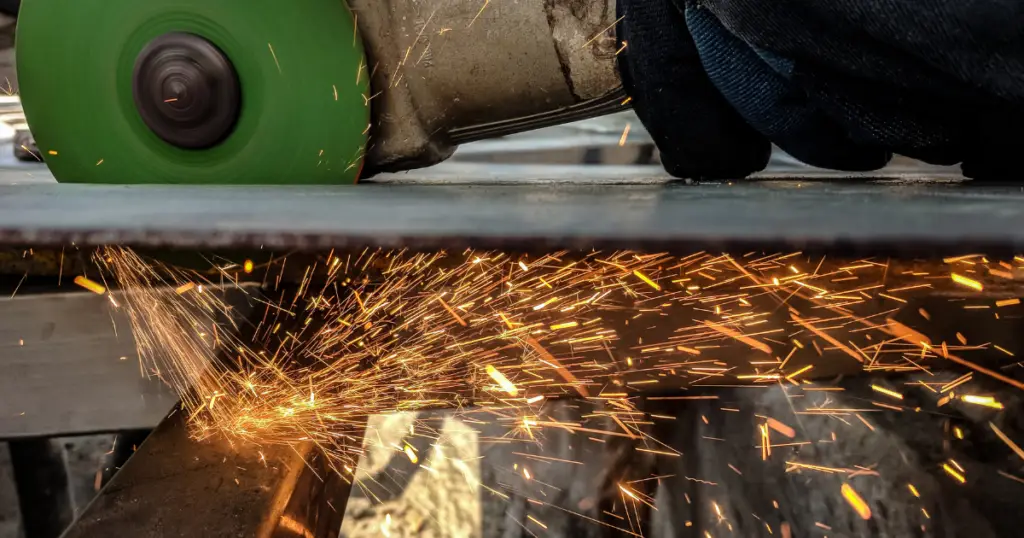
Despite the drawbacks, some contractors still use diamond blades for aluminum under specific conditions.
For example:
1. Thin Aluminum Sheets
Thin aluminum panels can sometimes be cut using fine-grit diamond blades.
However:
- The cut must be slow
- Heat must be controlled
- Blade loading must be watched closely
2. Aluminum With Composite Materials
Some building panels combine aluminum with materials like:
- Cement board
- fiber-cement
- stone composites
In those cases, installers sometimes use diamond blades because the primary material is abrasive, not the aluminum skin.
3. Specialty Diamond Blades
Some manufacturers produce multi-purpose diamond blades designed for:
- plastics
- fiberglass
- soft metals
These blades have different bonding formulas that reduce clogging.
Even then, results vary depending on the thickness of the aluminum.
Why Aluminum Causes Problems for Diamond Blades
The biggest issue comes down to material behavior during cutting.
Concrete and stone break apart when ground. Aluminum does the opposite.
Instead of breaking away cleanly, it:
- Softens under heat
- Sticks to the blade surface
- Packs into the diamond segments
When this happens, the blade stops grinding and starts rubbing.
That leads to several problems:
1. Overheating
The blade heats up quickly because friction increases.
2. Reduced Cutting Speed
The blade struggles to cut once aluminum fills the spaces between diamonds.
3. Poor Cut Quality
Edges may look rough or melted instead of clean.
4. Shorter Blade Life
Clogged segments wear unevenly and dull faster.
These problems are why most professionals avoid diamond blades for metal cutting.
The Best Blades for Cutting Aluminum
If aluminum is your main material, there are better blade choices.
Professionals usually recommend carbide-tipped blades.
Carbide teeth slice aluminum cleanly instead of grinding it.
Carbide Blade Benefits
- Cleaner cuts
- Less heat buildup
- Longer blade life
- Faster cutting speed
These blades are common in:
- miter saws
- circular saws
- table saws
According to the Popular Mechanics tool guide, carbide blades are widely recommended for cutting aluminum because they remove material efficiently without clogging.
Another option is non-ferrous metal cutting blades, which are specifically designed for softer metals.
If You Must Use a Diamond Blade on Aluminum
Sometimes a diamond blade is the only tool available on a job site.
If you decide to use one, a few precautions help reduce problems.
Cut Slowly
High speed increases heat and metal buildup.
- Use steady pressure
- Avoid forcing the blade
Use Lubrication
Cutting wax or lubricant helps reduce friction.
This lowers the risk of aluminum sticking to the blade.
Clean the Blade Often
If aluminum starts building up:
- Stop the saw
- Inspect the blade edge
- Remove buildup before continuing
Use a Thin Material
Diamond blades handle thin aluminum much better than thick bars or plates.
Watch for Heat
If the blade starts to discolor or smoke appears, stop immediately.
Overheating damages both the blade and the tool.
Safety Tips When Cutting Aluminum
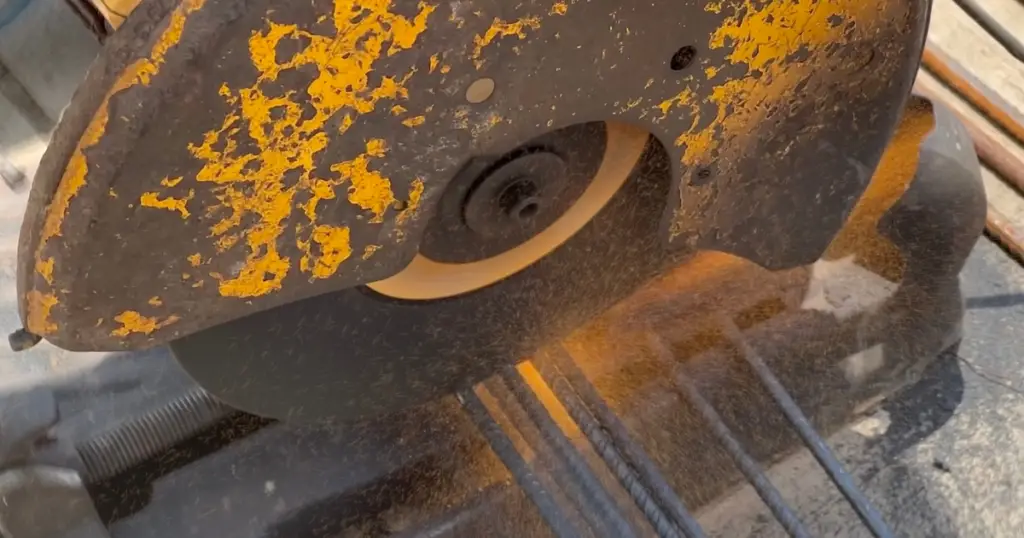
Cutting aluminum may look simple, but it still requires proper safety steps.
Always protect yourself and your equipment.
Basic Safety Practices
- Wear eye protection to block metal fragments
- Use hearing protection with power saws
- Secure the material firmly before cutting
- Keep blades sharp and clean
Loose aluminum can grab the blade and kick back unexpectedly.
Avoid These Common Mistakes
Many beginners run into trouble because of a few habits.
Avoid:
- Cutting aluminum at very high speeds
- Using worn or damaged blades
- Cutting without clamps or supports
- Ignoring metal buildup on the blade
Good habits keep your cuts clean and your tools in good shape.
How to Choose the Right Blade for the Job
If you cut different materials regularly, it helps to keep several blade types on hand.
Here’s a simple rule many professionals follow.
| Material | Best Blade Type |
| Concrete | Diamond blade |
| Stone | Diamond blade |
| Tile | Diamond blade |
| Aluminum | Carbide blade |
| Steel | Abrasive or metal-cutting blade |
Each blade is designed for a specific cutting behavior.
Using the right blade saves time, protects your equipment, and produces cleaner results.
Conclusion
So, will diamond blade cut aluminum?
Yes, it can, but it’s rarely the best choice.
Diamond blades are built for abrasive materials like concrete, masonry, and stone.
Aluminum behaves differently. Because it’s soft, it tends to stick to the blade, which causes heat buildup and poor cutting performance.
If aluminum is the main material you’re cutting, a carbide-tipped blade or non-ferrous metal blade will give better results.
Diamond blades may still work for thin aluminum or composite materials, but they require slower cutting speeds and extra care to prevent clogging.
Understanding how each blade interacts with different materials helps you choose the right tool every time.
When the blade matches the material, cutting becomes safer, faster, and far more precise.