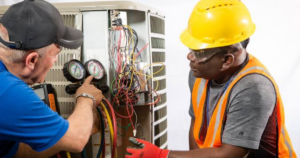

Do handyman have to be licensed? Learn when a license is required, legal limits, risks, and how to stay compliant when doing small repair jobs.
A man once helped his neighbor fix a broken cabinet over the weekend.
It took two hours, and he got paid in cash.
Simple, right?
A few weeks later, he took on a bigger job, and that’s when things got complicated.
He didn’t know the rules had changed once money and job size increased.
Many people step into handyman work the same way.
If you’ve ever searched for a licensed handy man Las Vegas, you’ve already seen how common this work is.
But the truth is, not every handyman is allowed to work freely.
Whether a handyman must be licensed depends on state-specific regulations, the total project cost, and the scope of work performed, where you work, and how much you charge.
I’ll walk you through the steps to avoid the same mistakes.
What Does a Handyman Actually Do?
A handyman handles small repairs and maintenance jobs.
These are tasks that don’t require intense technical skills or major construction work.
Common handyman jobs include:
- Fixing doors and locks
- Painting rooms
- Repairing drywall
- Installing shelves or cabinets
- Cleaning gutters
These are simple tasks.
But even simple work can fall under rules depending on your location.
Do Handyman Have to Be Licensed, Then?
Sometimes yes, other times no.
But, I have found so far that it depends on these main things:
- Your location- state or country laws
- The type of work you do
- The total cost of the job
In many places, handyman work is allowed without a license, but only under strict limits.
For example:
- Small jobs under a particular price may not need a license
- Jobs that don’t involve plumbing, electrical, or structural work are often allowed
- Once the job becomes deeper or expensive, a license is required
So, not all handyman work is treated the same.
Why Licensing Rules Exist

It may feel like extra stress, but these rules serve a purpose.
They help:
- Protect homeowners from poor-quality work
- Reduce safety risks like fires or water damage
- Set clear standards for skilled work
For example, faulty wiring can cause serious harm. That’s why electrical work almost always requires a licensed professional.
Work You Can Often Do Without a License
If you want to stay on the safe side, focus on basic tasks.
These are jobs that are usually allowed:
- Interior and exterior painting
- Minor repairs like fixing handles or hinges
- Installing blinds or curtains
- Basic yard cleanup
- Furniture assembly
These are low-risk jobs that don’t require permits in most cases.
Work That Usually Requires a License
Some jobs are off-limits unless you are licensed.
These include:
- Electrical repairs or wiring
- Plumbing system work
- Heating and cooling (HVAC) jobs
- Structural changes like removing walls or roofing
Doing these without proper licensing can lead to fines or worse.
Understanding Job Value Limits
One key rule many people miss is the job cost limit.
In many regions:
- You can only do unlicensed work if the job stays under a set dollar amount
- If you go over that amount, even slightly, you may need a license
For example, some states set this limit at around $500 to $1,000.
This rule is strictly enforced in many places.
Risks of Working Without a License
Majority of people think small jobs won’t cause problems.
But things can go wrong quickly.
Let’s look at the main risks:
1. Fines and Penalties
You could be fined or banned from working.
2. No Legal Protection
If a client refuses to pay, you may not be able to sue.
3. Liability Issues
If your work causes damage, you could pay out of pocket.
4. Loss of Trust
Clients prefer someone they can rely on legally and professionally.
It’s not just about rules, it’s about protecting yourself.
Do You Need a License to Start a Handyman Business?
Even if a contractor license is not required, you may still need:
- A business license
- Insurance (like general liability)
- Tax registration
Having a license helps you run things properly and builds trust with clients.
Benefits of Being Licensed
If you’re serious about handyman work, getting licensed has real benefits.
- You can take on bigger jobs
- You earn more money
- Clients trust you more
- You avoid legal issues
It also allows you to advertise your services with confidence.
Real Insight: Why Some Handymen Skip Licensing
To be frank, many people still work without a license.
Reasons include:
- Quick way to earn money
- No paperwork
- Low startup cost
But here’s the truth: it works until something goes wrong.
One complaint or accident can create big problems.
How to Stay Safe and Compliant

If you plan to work without a license, you need to be careful.
Follow these tips:
- Stick to small, simple jobs
- Avoid specialized work like plumbing or electrical
- Stay within legal cost limits
- Check local laws regularly
- Consider getting insurance
Taking these steps help reduce risk.
What Clients Really Want
Even for small jobs, clients expect:
- Honest pricing
- Good communication
- Reliable work
- Clean results
Whether you are a beginner or working toward becoming a licensed handyman Las Vegas professional, trust matters more than anything.
Common Myths About Handyman Licensing
Let’s clear up a few misunderstandings:
“Small jobs don’t need rules.”
They often do. Limits still apply.
“Cash jobs are safe.”
Payment method doesn’t change the law.
“No one checks.”
Inspections and complaints can occur anytime.
When You Should Get Licensed
You should seriously consider getting licensed if:
- You want to grow your business
- You plan to take bigger jobs
- You want steady income
- You want legal protection
It may take effort, but it gives you peace of mind.
Conclusion
So, handymen have to be licensed, not always, but often, and depending on the work.
Small, basic jobs are usually allowed without a license.
But once the work becomes complex or expensive, a license is required.
It’s easy to overlook these rules at first.
The majority of people do.
But understanding them early can save you stress, money, and time.
If you want to build something long-term, it’s well worth doing things the right way.
Stay informed, follow the rules, and grow your skills step by step.