
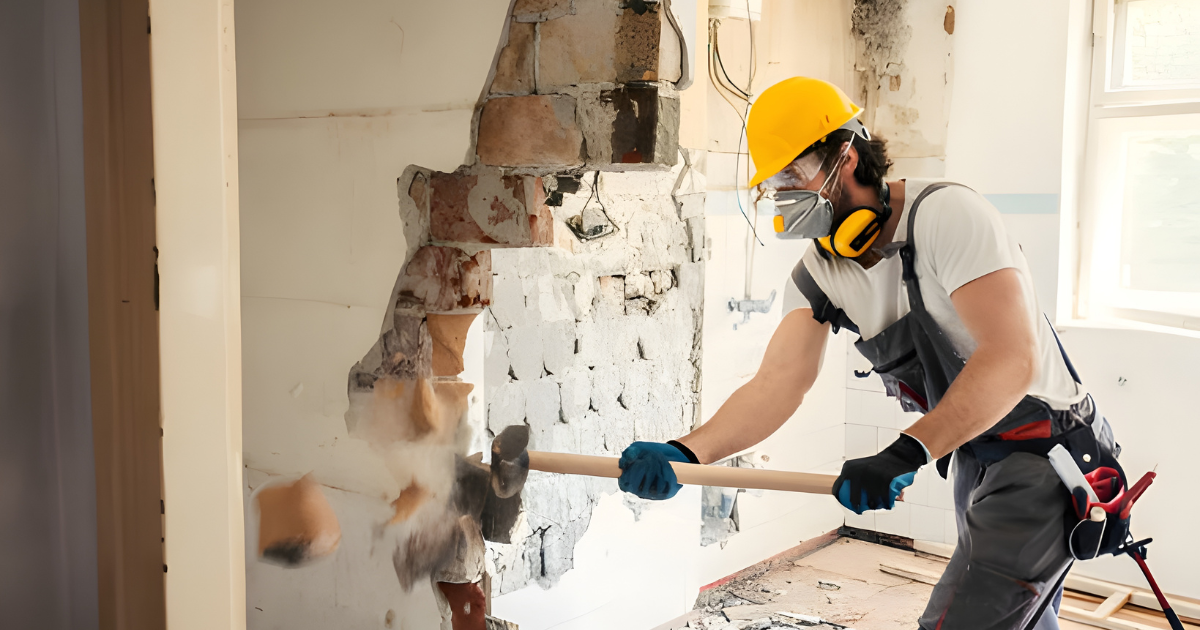
Can a general contractor do demolition? Learn when it’s allowed, legal rules, safety steps, and when to hire a specialist.
If you’re planning a renovation or new build, you’ve probably asked yourself: can a general contractor do demolition?
It’s a fair question. Demolition looks simple from the outside, but it’s one of the riskiest parts of any project.
When you work with a General Contractor in Dallas TX, you expect them to handle everything from start to finish.
That often includes tearing down walls, removing old structures, or clearing a site. But not every situation is that straightforward.
Let’s get clear on what a general contractor can legally and safely do when it comes to demolition.
Can a General Contractor Do Demolition Legally?
Yes, a general contractor can do demolition in many cases. But there are limits.
It depends on three key things:
1. Licensing rules in your area
Every state and city has its own rules. In places like Texas, general contractors can perform demolition if their license covers that scope.
For example, the Occupational Safety and Health Administration (OSHA) sets safety standards for demolition work. Contractors must follow these rules to stay compliant.
2. Type of demolition work
Not all demolition jobs are equal. A contractor can usually handle:
- Interior demolition (walls, ceilings, flooring)
- Small structure removal (sheds, garages)
- Partial tear-downs for remodels
But larger or riskier jobs may require a specialist.
3. Permits and approvals
Most demolition projects need permits. According to the U.S. Environmental Protection Agency, certain projects must also follow environmental rules, especially when hazardous materials are involved.
Bottom line: A general contractor can do demolition, but only if they meet licensing, safety, and permit requirements.
When Can a General Contractor Do Demolition Without Issues?
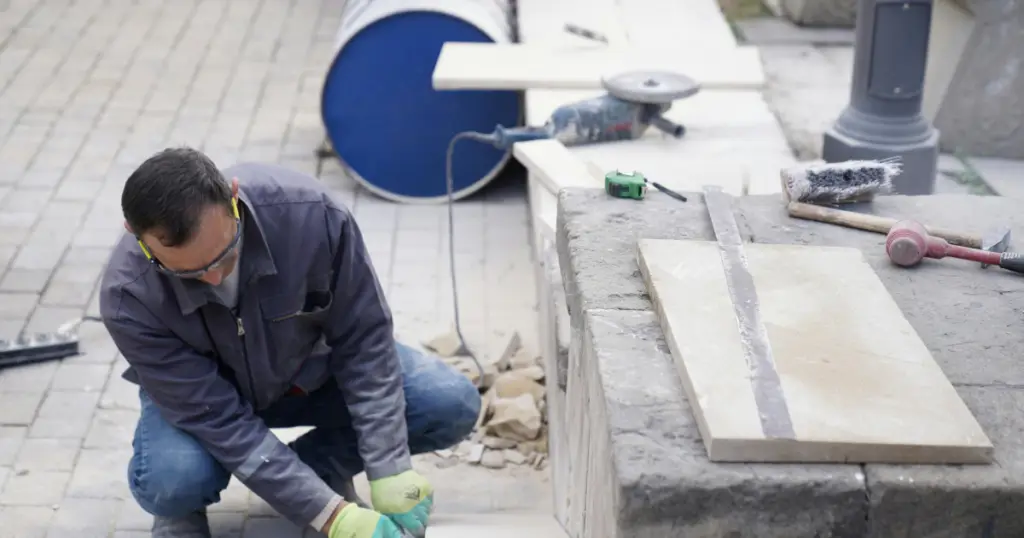
There are situations where hiring a general contractor for demolition makes perfect sense.
Interior renovation projects
If you’re remodeling your kitchen or bathroom, your contractor will likely:
- Remove cabinets
- Tear down drywall
- Take out flooring
This type of demolition is controlled and low-risk.
Small residential projects
For smaller jobs, like removing a patio or breaking up old concrete, contractors often handle it themselves.
You’ll often see this tied to services like concrete & asphalt paving Dallas, where prep work includes breaking and clearing old surfaces before installing new ones.
Projects with minimal hazards
If there are no dangerous materials like asbestos or lead paint, the process becomes simpler and safer for a general contractor to manage.
When Can a General Contractor Do Demolition – And When They Shouldn’t
This is where things get interesting.
Even though a general contractor can do demolition, there are times when they shouldn’t.
Situations that require specialists
1. Structural demolition
Taking down load-bearing walls or entire buildings is complex. It requires:
- Engineering knowledge
- Structural planning
- Advanced equipment
2. Hazardous material removal
Materials like asbestos are tightly regulated. According to the Centers for Disease Control and Prevention, exposure to asbestos can cause serious diseases.
In these cases, certified abatement professionals are required.
3. Large-scale commercial demolition
Big projects need:
- Heavy machinery
- Detailed safety plans
- Specialized crews
A general contractor may still oversee the project, but they’ll bring in demolition experts.
Safety Rules Every Contractor Must Follow
Demolition is not just about knocking things down. It’s about doing it safely.
The National Institute for Occupational Safety and Health reports that demolition accidents often happen due to poor planning.
Here’s what a responsible contractor should always do:
Before demolition starts
- Inspect the structure carefully
- Identify hazards like gas lines or electrical wiring
- Get all required permits
- Create a clear demolition plan
During demolition
- Use proper protective gear
- Control dust and debris
- Secure the site to keep others safe
After demolition
- Dispose of waste properly
- Recycle materials where possible
- Prepare the site for the next phase
If your contractor skips these steps, that’s a red flag.
Can a General Contractor Do Demolition and Still Save You Money?
In many cases, yes.
Hiring one contractor for both demolition and construction can:
- Reduce costs by avoiding multiple contractors
- Speed up timelines since one team handles everything
- Improve coordination between phases
But here’s something I’ve seen happen often.
A homeowner hires a general contractor for a job that really needs a specialist. The contractor tries to handle it anyway. Then delays and extra costs show up.
So the smarter approach is:
- Use a general contractor for simple demolition
- Bring in specialists for complex work
Questions You Should Ask Before Hiring

Before you assume a general contractor can do demolition, ask a few direct questions.
Ask about experience
- Have you handled demolition projects like mine before?
- Can you show examples or past work?
Ask about licensing and insurance
- Are you licensed for demolition work in this area?
- Do you carry liability insurance?
Ask about safety practices
- How do you handle hazardous materials?
- What safety measures do you follow?
Ask about permits
- Will you handle permits, or is that my responsibility?
These questions help you avoid costly mistakes.
Common Mistakes People Make
You’d be surprised how often these come up.
Assuming all contractors do everything
Not every general contractor has demolition experience. Always verify.
Ignoring local regulations
Skipping permits can lead to fines or project shutdowns.
Choosing the cheapest option
Low cost often means corners are cut, especially in safety.
Overlooking hidden risks
Old buildings can hide issues like mold, weak structures, or toxic materials.
Why Demolition Is More Complex Than It Looks
Demolition is one of those jobs that looks easy until you’re in the middle of it.
According to OSHA safety data, structural collapses during demolition are among the leading causes of serious injuries on job sites.
That’s why experienced contractors treat demolition like a controlled process, not a quick teardown.
So, Can a General Contractor Do Demolition for Your Project?
Here’s how you can decide:
A general contractor is a good fit if:
- The project is small or medium-sized
- There are no hazardous materials
- The demolition is part of a larger renovation
You need a specialist if:
- The structure is large or complex
- Hazardous materials are present
- Heavy equipment and engineering are required
Conclusion
So, can a general contractor do demolition? Yes, but only under the right conditions.
A skilled contractor can handle many types of demolition, especially for residential and small commercial projects.
But when the job becomes complex or risky, bringing in specialists is the safer and smarter choice.
If you take one thing from this, let it be this: demolition is not just about tearing things down.
It’s about doing it safely, legally, and in a way that sets your project up for success.