Can a mold inspector condemn your house? Learn what inspectors can and cannot do, when mold becomes unsafe, and what steps protect your property.
You might be asking yourself, can a mold inspector condemn your house? It’s a fair question, especially if you’ve just found mold or you’re planning a home inspection.
Mold has a way of making people nervous. I’ve seen homeowners panic after spotting a small patch on a wall, thinking their entire home is now “unlivable.”
But the thing is that there’s a lot of confusion about what a mold inspector can actually do.
If you’re considering a professional check, services like mold inspection Los Angeles are designed to assess and report, not to shut your home down.
Let’s get clear on what really happens.
Key Takeaway
- A mold inspector cannot condemn your house
- Only government authorities can declare a home unsafe
- Inspectors provide reports, not legal decisions
- Severe mold can still lead to serious actions – just not from the inspector
Can a Mold Inspector Condemn Your House or Shut It Down?
Let’s answer this clearly: No, a mold inspector cannot condemn your house.
A mold inspector’s job is to:
- Identify mold growth
- Test air and surfaces
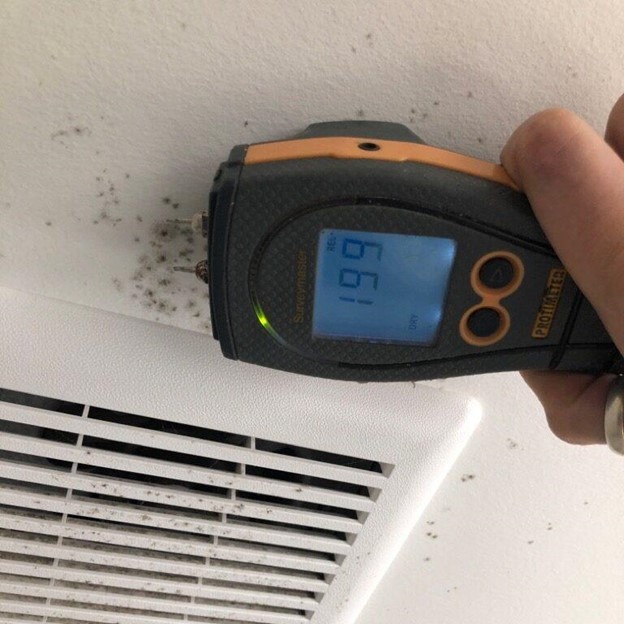
- Measure moisture levels
- Write a detailed report
They do not have legal authority to:
- Declare a home unlivable
- Force you to leave
- Issue fines or penalties
That power belongs to local authorities like:
- Building departments
- Health departments
- Housing authorities
For example, the U.S. Environmental Protection Agency explains that mold inspectors help identify problems, but enforcement comes from regulatory bodies, not inspectors.
When Can a Home Be Condemned Due to Mold?
Even though a mold inspector can’t condemn your house, mold can still lead to serious consequences.
A home may be declared unsafe when:
- Mold is extensive and widespread
- There is structural damage from moisture
- Indoor air quality is dangerous
- Residents face health risks
According to the Centers for Disease Control and Prevention, mold exposure can cause symptoms like coughing, wheezing, and allergic reactions, especially in children and older adults.
Situations that raise red flags:
- Black mold covering large areas
- Persistent leaks or flooding
- Strong musty smell throughout the home
- Visible damage to walls, ceilings, or floors
If these issues are severe, a local authority may step in and inspect the property.
Can a Mold Inspector Condemn Your House Through a Report?
This is where things get interesting.
While a mold inspector cannot condemn your house, their report can trigger actions that lead to it.
Here’s how:
- Inspector finds serious mold contamination
- Report documents unsafe conditions
- Report is shared with:
- Landlords
- Buyers
- Insurance companies
- Local authorities
- Authorities may investigate further
So, the inspector acts more like a messenger, not the decision-maker.
What Happens After a Mold Inspection?
After you hire mold inspection services, you’ll usually get:
- A written report
- Photos of affected areas
- Lab test results (if samples were taken)
- Recommendations for fixing the problem
From there, you have options.
You can:
- Hire a mold remediation company
- Fix moisture issues (leaks, humidity)
- Improve ventilation
- Retest after cleanup
The Environmental Protection Agency recommends fixing moisture problems first, since mold will return if the source isn’t handled.
Can a Mold Inspector Condemn Your House If You’re Selling It?
This is a big concern for sellers.
Again, the answer is no. But the impact can still be serious.
If mold is found during a sale:
- Buyers may back out
- You may need to lower your price
- Lenders may delay approval
- Repairs may be required before closing
In some cases, disclosure laws require you to inform buyers about mold issues.
So while the inspector won’t condemn your house, the findings can affect your deal.
How Dangerous Does Mold Need to Be?
Not all mold is treated the same.
Small patches in bathrooms or kitchens are common and usually manageable.
But serious cases include:
- Mold covering more than 10 square feet
- Hidden mold inside walls
- Mold caused by flooding
- Toxic species like Stachybotrys (often called black mold)
The World Health Organization notes that damp indoor environments increase health risks, especially when mold is left untreated.
Can a Mold Inspector Condemn Your House in Rental Properties?
If you’re a landlord or tenant, things can feel a bit more intense.
Here’s how it works:
For landlords:
- You must provide a safe living space
- Mold problems may violate housing codes
- Tenants can report unsafe conditions
For tenants:
- You can request inspections
- You may involve local housing authorities
- In extreme cases, you may be allowed to leave without penalty
But again, the inspector only reports the issue. The local authority makes the call.
How to Avoid Serious Mold Problems
This is where you stay ahead.
I’ve seen homeowners ignore small leaks, only to deal with major mold later. It almost always starts small.
Simple steps that make a big difference:
- Fix leaks right away
- Use exhaust fans in bathrooms and kitchens
- Keep indoor humidity below 50%
- Clean and dry wet areas within 24–48 hours
- Schedule regular inspections
If you’re in a high-risk area or older home, getting mold testing Los Angeles professionals involved early can save you a lot of stress later.
Conclusion
So, can a mold inspector condemn your house? No. That power sits with local government agencies, not inspectors.
What you should focus on is this: mold is manageable when you act early.
If you take inspections seriously, fix moisture problems fast, and follow expert advice, you stay in control of your home.
Ignore it, and small issues can grow into bigger ones that bring in regulators.
At the end of the day, the goal of any inspection is simple – to help you protect your property, your health, and your peace of mind.