
Do you need a permit to install a boiler? Learn when permits are required, why they matter, and how local building rules affect boiler installation.
Replacing or installing a boiler sounds simple at first. You remove the old unit, connect the new one, and turn the heat back on. But there’s one detail many homeowners overlook: permits.
If you’re planning heating work in your home, you may ask: do you need a permit to install a boiler?
In most places, the answer is yes.
Local councils usually require a permit because boilers involve gas lines, pressure systems, and ventilation.
When installed incorrectly, these systems can cause serious safety issues.
If you’re researching heating upgrades or working with professionals who handle boiler installations Fulham, you’ll notice that permits are often part of the process.
Good installers normally arrange them for you because local regulations require inspections before the system can be approved.
Understanding why permits exist helps you avoid delays, fines, and safety problems later.
Why Boiler Installation Permits Exist
Permits are not just paperwork. They exist to protect your home and everyone inside it.
A boiler connects to systems that carry gas, water pressure, and heat. If something goes wrong, the damage can be serious.
Local authorities require permits so they can confirm the installation meets building codes and safety rules.
Here’s what a permit helps verify:
- Correct gas line connections
- Proper ventilation and flue placement
- Safe pressure levels
- Approved electrical connections
- Compliance with energy efficiency standards
According to the UK government’s building regulations, heating systems must comply with strict safety requirements to prevent gas leaks, fires, and carbon monoxide exposure.
Without a permit and inspection, there’s no official confirmation that the work meets these safety standards.
Situations Where a Boiler Permit Is Usually Required

Not every heating repair needs a permit. But most boiler installations do.
You will usually need a permit if you are:
1. Installing a New Boiler System
A brand-new installation almost always requires approval.
This includes:
- Installing a boiler in a home that never had one
- Adding a central heating system
- Switching from electric heating to gas boiler heating
Because new gas lines or flues may be involved, building authorities require inspection.
2. Replacing an Old Boiler
Even when you’re replacing an existing unit, a permit is usually required.
That’s because modern boilers often involve:
- Updated venting systems
- Different pressure levels
- New energy efficiency standards
The Energy Saving Trust explains that modern condensing boilers operate differently from older models and must be installed correctly to meet efficiency and safety standards.
3. Moving the Boiler to a New Location
If the boiler is relocated, permits are almost always required.
Moving a boiler may involve:
- New gas pipe routing
- New ventilation paths
- Updated drainage for condensate
These changes affect the structure and safety of the home.
4. Converting to a Different Boiler Type
Changing the system type often requires approval.
Examples include:
- Combi boiler upgrades
- Switching from conventional to system boilers
- Changing fuel sources
Each setup has different installation rules.
When a Permit May Not Be Required
Some small heating tasks usually don’t require permits.
These include:
- Routine servicing
- Replacing minor parts like valves or pumps
- Flushing the heating system
- Installing thermostats
However, rules vary depending on your local authority. If you’re unsure, it’s best to check with your council or installer.
Who Usually Handles the Permit?
Many homeowners worry they must apply for the permit themselves.
In reality, professional heating engineers usually handle this.
A licensed installer often:
- Submits the permit application
- Performs the installation
- Arranges the inspection
- Provides compliance certificates
In the UK, boiler installations must also comply with Gas Safe regulations. Only engineers registered with the official Gas Safe Register can legally work on gas boilers.
This system helps ensure the work meets national safety standards.
What Happens During a Boiler Inspection
After installation, a local inspector may visit your home.
Their job is to confirm the system meets safety rules.
They typically check:
- Gas connections for leaks
- Ventilation and flue placement
- Pressure relief valves
- Electrical safety
- Condensate drainage
- Distance from walls and ceilings
If everything passes inspection, the installation receives final approval.
If not, the installer must fix the issues before approval is granted.
Risks of Installing a Boiler Without a Permit
Some homeowners try to skip permits to save time or money.
This decision often leads to bigger problems later.
Here are the most common risks.
1. Safety Hazards
Boilers operate under pressure and produce combustion gases.
Poor installation can lead to:
- Carbon monoxide leaks
- Gas explosions
- Water damage from pressure failures
The UK Health and Safety Executive warns that carbon monoxide poisoning can occur when gas appliances are installed or maintained incorrectly.
Permits and inspections help prevent these dangers.
2. Problems When Selling Your Home
When you sell your house, buyers often request documentation for major work.
If a boiler was installed without a permit:
- The sale may be delayed
- Buyers may ask for price reductions
- Solicitors may request compliance certificates
Missing paperwork can raise concerns about safety and workmanship.
3. Insurance Issues
Home insurance policies sometimes require proof that heating systems were installed legally.
If a problem occurs and the installation lacked permits, insurers may refuse claims.
This could affect coverage for:
- Fire damage
- Water damage
- Gas-related incidents
4. Fines or Legal Issues
Local authorities can issue penalties if major work was completed without approval.
In some cases, they may require:
- Removing the installation
- Reinstalling the system to meet code
- Paying fines or inspection fees
That can turn a simple project into an expensive one.
How to Check Boiler Permit Requirements in Your Area
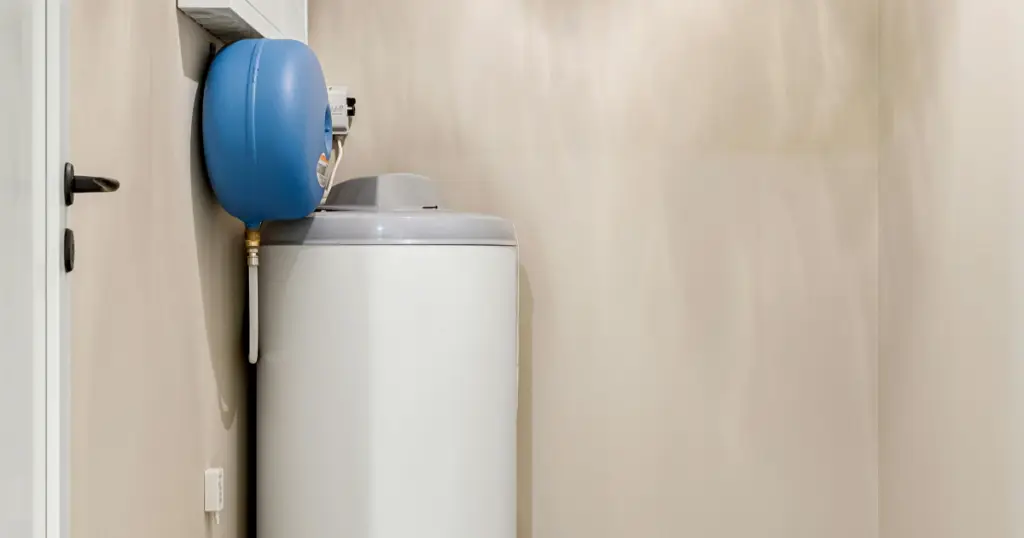
Permit rules can vary depending on where you live.
Before installation, you can check requirements through a few simple steps.
Contact Your Local Council
Most councils publish building regulation information on their website.
Look for sections covering:
- Heating systems
- Gas appliances
- Building permits
Ask Your Heating Engineer
Experienced installers deal with permits regularly.
They usually know:
- Which permits are required
- How long approval takes
- Whether inspections are needed
This is often the easiest way to get accurate answers.
Review Building Regulations
In the UK, heating systems must follow Part L and Part J of the building regulations.
These rules cover:
- Energy efficiency
- Ventilation requirements
- Combustion safety
Signs You’re Working With a Professional Installer
When hiring someone for boiler work, look for signs that they follow proper procedures.
A reliable installer will:
- Be Gas Safe registered
- Explain permit requirements clearly
- Provide installation certificates
- Arrange inspections when required
- Offer documentation for your records
If a contractor says permits are unnecessary without explanation, that’s usually a warning sign.
Common Questions Homeowners Ask
Does every boiler replacement require approval?
Most replacements do, especially when the new unit differs from the old one in size, efficiency, or ventilation requirements.
How long does a boiler permit take?
Approval timelines vary, but permits often take a few days to a couple of weeks depending on the council.
Is a permit expensive?
Permit fees vary by location, but they are usually small compared to the total installation cost.
Can homeowners install their own boiler?
In many regions, gas boiler installations must be carried out by licensed professionals due to safety regulations.
Conclusion
So, do you need a permit to install a boiler?
In most cases, yes.
Permits are required to ensure heating systems are installed safely and in compliance with building regulations.
They allow inspectors to verify gas connections, ventilation, pressure systems, and electrical components.
Skipping permits may seem faster at first, but it can lead to safety risks, legal problems, and insurance issues later.
If you’re planning a new boiler installation or replacing an old one, the safest step is to work with a qualified heating professional who understands local regulations and can handle the permit process properly.