Will a plate compactor damage pavers? Learn when it can cause chips, cracks, and scratches, and how to compact pavers without damaging them.
A plate compactor is often used to make pavers sit firmly and evenly, so it may seem strange to ask, Will a plate compactor damage pavers?
The answer is yes it can, but proper use usually makes it a useful part of paver installation and repair.
The real problem is not the vibration alone.
It is how you use the machine, what sits between the steel plate and the pavers, and whether the pavers are suitable for machine compaction in the first place.
If you are working with concrete pavers, a properly fitted protective pad can help prevent scratches and surface damage.
Manufacturers commonly recommend this approach when using a compactor on finished paver surfaces.
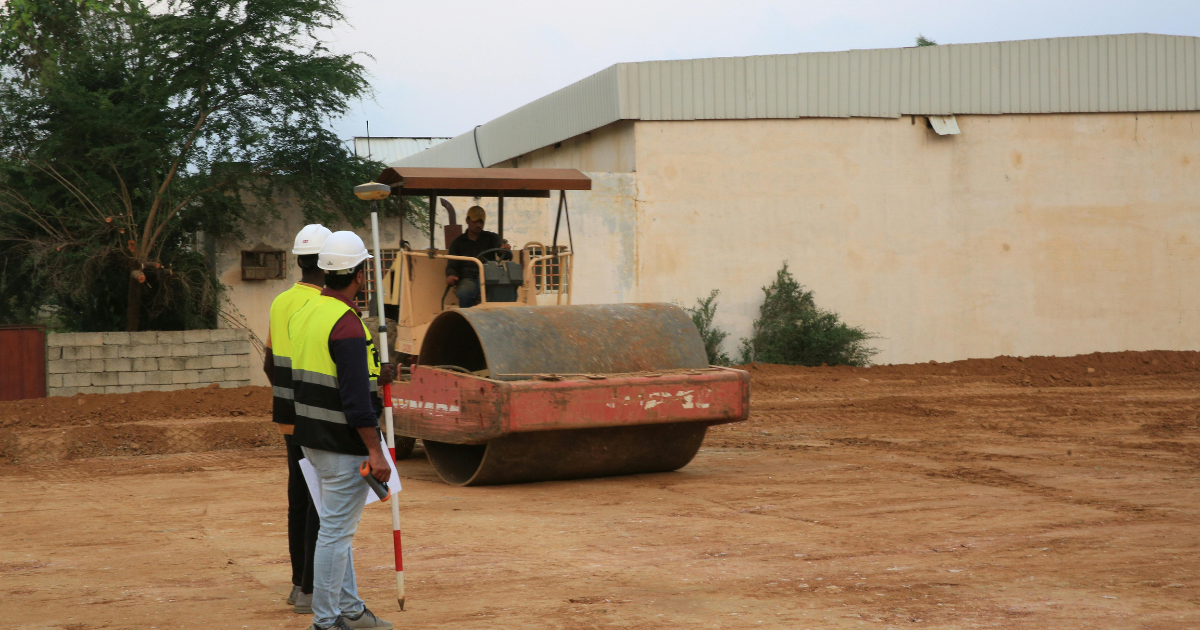
There are also cases where a plate compactor should not be used at all. Porcelain pavers, for example, may require a roller compactor instead.
So before you start the machine, it pays to know what your pavers can handle.
Can a Plate Compactor Damage Pavers?
Yes, a plate compactor can damage pavers if you use it incorrectly.
The machine creates strong vibration and downward force.
That force is useful because it helps settle pavers into the bedding material and pushes jointing sand into the gaps between them.
But too much force, the wrong machine, or direct contact between a bare steel plate and the paver surface can cause problems.
Possible damage includes:
- Surface scratches
- Scuff marks
- Chipped edges
- Cracked pavers
- Broken corners
- Color or surface wear
- Pavers moving or sinking when the base is poor
Belgard specifically warns that using a plate compactor without a rubber pad can chip or crack pavers.
That is why the goal is not to avoid compaction. The goal is to compact the pavers correctly.
Why Do Pavers Need Compaction?
Compaction does more than make the surface look flat.
When pavers are installed, there are small spaces between the units. They also need to settle firmly into the bedding layer below.
Vibration helps with several things:
- It settles the pavers into the bedding material.
- It helps reduce small height differences between pavers.
- It pushes jointing sand into the joints.
- It helps lock the individual pavers together.
- It creates a more stable finished surface.
Unilock’s technical guidance explains that compaction helps set pavers into the bedding course and move sand into the joints. It also recommends a protective pad to reduce scuffing and scratching.
So, skipping compaction altogether is not always the safer choice.
Poor compaction can leave you with loose, uneven pavers that move under foot or vehicle traffic.
What Causes a Plate Compactor to Damage Pavers?
Several things can turn a normal installation step into a repair job.
1. Using a bare steel plate
This is one of the biggest risks.
A steel compactor plate can rub directly against the face of the pavers. Dirt and small pieces of sand caught underneath can make the problem worse.
The result may be visible scratches or scuffing.
Use a manufacturer-approved protective pad when the paver manufacturer calls for one.
Unilock recommends a protective polymer pad for final compaction on many of its paver products.
2. Using too much force
More force does not automatically mean better compaction.
Different pavers and installations have different requirements. For example, Unilock’s technical guide lists different compactor forces for lighter and heavier traffic applications.
If you use a machine that is too aggressive for the product, you may increase the risk of chipped edges or surface damage.
3. Compacting dirty pavers
Before compacting, sweep loose debris from the surface.
A small stone trapped under the compactor can act like a grinding point. As the machine vibrates over it, that debris can scratch the paver.
This is one reason manufacturer installation guides tell installers to clean the surface before compaction.
4. Compaction before the pavers are properly supported
A plate compactor cannot fix a poorly prepared base.
If the base is soft, uneven, or poorly compacted, the pavers can move during vibration. You may then see dips, rocking units, or uneven areas.
The base should be prepared and compacted properly before the pavers are installed.
Should You Use a Rubber Pad on a Plate Compactor?
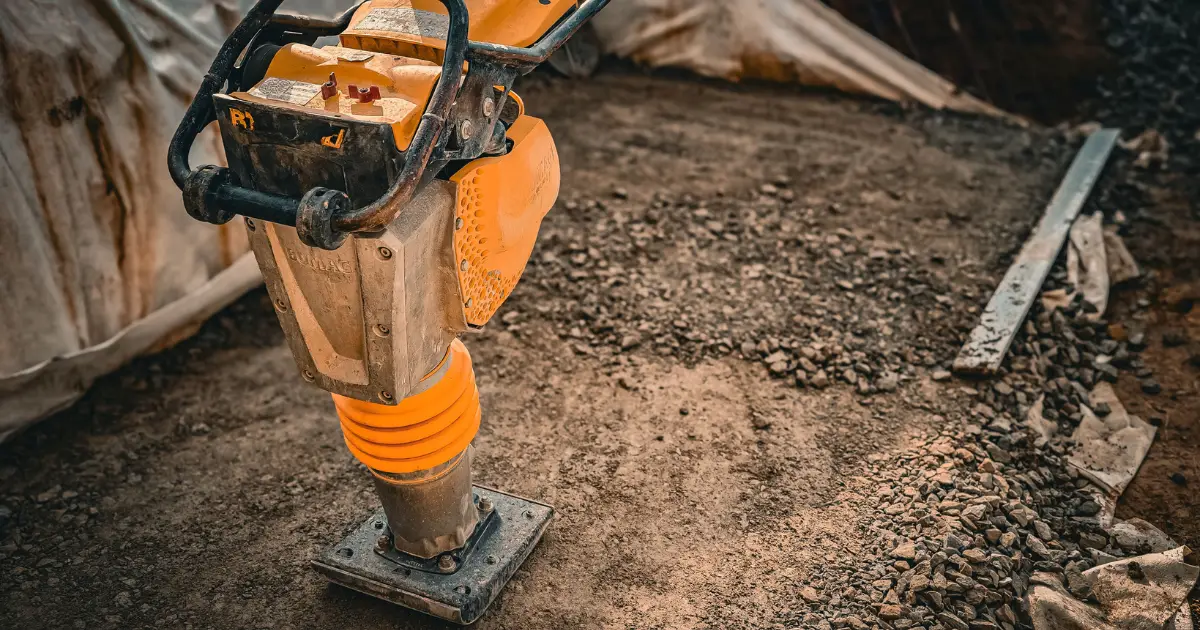
In most cases where the paver manufacturer recommends it, yes.
A rubber or polymer pad creates a protective layer between the machine and the paver surface.
It helps reduce:
- Scratches
- Scuffing
- Surface marks
- Direct steel-to-paver contact
The exact pad matters, too. It should fit the compactor properly and be suitable for the job.
Don’t assume any random piece of rubber will work. Check the compactor manufacturer’s instructions and the paver manufacturer’s installation instructions first.
Can You Compact Concrete Pavers With a Plate Compactor?
Yes. Concrete pavers are commonly compacted with plate compactors during installation.
The important part is choosing the right equipment and using it correctly.
A typical process looks like this:
- Prepare and compact the base.
- Install the bedding layer.
- Lay the pavers.
- Install the required edge restraints.
- Sweep the paver surface clean.
- Add the correct jointing material.
- Use the appropriate plate compactor and protective pad.
- Make the required passes over the surface.
- Refill joints if needed.
The exact procedure can change depending on the paver type, thickness, joint material, and installation system.
For example, Belgard’s installation guidance for permeable concrete pavers calls for plate compaction and additional joint material when needed after compaction.
What About Porcelain Pavers?
This is where you need to be especially careful.
Do not assume that because a plate compactor works on concrete pavers, it will also work on porcelain pavers.
Belgard’s current product installation guide specifically says not to compact its porcelain pavers with a plate compactor. Instead, it requires a porcelain roller compactor for that system.
So if you are installing porcelain, check the product’s instructions before bringing out the plate compactor.
This is one of those jobs where five minutes spent reading the installation guide can save you from replacing a whole section of expensive pavers.
How to Use a Plate Compactor Without Damaging Pavers
If your paver manufacturer allows plate compaction, follow these basic precautions:
Use a protective pad.
Make sure the pad is properly attached and in good condition.
Clean the surface first.
Remove stones, dirt, and loose debris before compacting.
Use the correct machine.
Don’t automatically choose the largest or strongest compactor available.
Keep the machine moving.
Avoid leaving a vibrating plate sitting in one spot.
Follow the manufacturer’s pass requirements.
Some installations require multiple passes, while others have different procedures.
Check the edges.
Pavers near walls, curbs, and other structures need extra care. Belgard warns that operating a plate compactor close to structures can cause damage.
What If Your Pavers Already Have Damage?
If you already see scratches or chips, stop compacting and find the cause before continuing.
Check:
- Is the protective pad installed?
- Is the pad worn out?
- Is there dirt or gravel under the plate?
- Is the compactor too powerful?
- Are the pavers suitable for plate compaction?
- Are the pavers properly supported underneath?
- Are you following the product manufacturer’s instructions?
If only a few pavers are damaged, you may be able to replace those units.
But if an entire area is moving or cracking, the problem may be underneath the pavers rather than with the compactor itself.
Conclusion: Will a Plate Compactor Damage Pavers?
Will a plate compactor damage pavers? It can, but it does not have to.
When you use the correct compactor, protective pad, operating method, and paver installation system, compaction can help create a firm and stable surface.
The biggest mistakes are usually straightforward: using a bare steel plate, choosing the wrong machine, compacting dirty surfaces, using excessive force, or ignoring the paver manufacturer’s instructions.
For concrete pavers, proper compaction is often part of a good installation. For porcelain and other specialty products, the rules can be different.
Before you switch on the machine, check the paver manufacturer’s installation instructions first.
That one step can protect the surface, prevent unnecessary repairs, and help your finished paving last much longer.