How often should roofing be replaced? Learn typical roof life, warning signs, repair factors, and when replacement may make more sense.
How often should roofing be replaced?
A common mistake is thinking every roof should be replaced after the same number of years.
A roof’s age matters, but it is only one part of the decision.
The material, installation quality, weather exposure, maintenance history, ventilation, drainage, and past damage can all affect how long it remains useful.
A roof that is 20 years old may still be performing well, while a younger roof can need major work after severe storms or poor installation.
The Insurance Institute for Business & Home Safety (IBHS) has found that roof performance can change with age and weather exposure, showing why a calendar alone cannot tell you when replacement is needed.
If an older commercial roof is showing repeated problems, a commercial roof replacement Bryan project may be worth considering.
But replacement should follow a proper assessment of the roof’s actual condition.
How Long Does a Roof Usually Last?
There is no single answer because different roofing materials have different service lives.
As a broad starting point:
- Basic asphalt shingles: often around 15–20 years
- Higher-quality asphalt shingles: often around 20–30 years or more
- Metal roofing: often 40 years or longer
- Tile roofing: can last several decades
- Commercial low-slope systems: vary widely based on the membrane, installation, maintenance, and exposure
These are estimates, not guarantees.
For example, IBHS reports that some low-slope metal roof systems can last 40 years or more, with certain systems reaching 60 years or longer.
The U.S. Department of Energy also notes that roof life varies by material, giving a broad range of roughly 20 to 50 years for residential roofing materials.
So, when asking how often should roofing be replaced, it is better to think about the roof’s condition and expected service life rather than relying on one fixed date.
What Factors Affect Roof Life?
Several things can shorten or extend the life of a roof.
1. Roofing Material
Some materials naturally last longer than others.
A metal roof, for example, can remain useful for decades with proper care.
Asphalt shingles generally have a shorter service life.
2. Weather Exposure
Sun, wind, hail, heavy rain, temperature changes, and other weather conditions can gradually wear down roofing materials.
IBHS research shows that aging and weather exposure can affect roof performance, particularly for asphalt shingles.
3. Installation Quality
A good roofing material can still fail early if it is installed poorly.
Problems with flashing, seams, fasteners, drainage, or other details can allow water into the building and shorten the roof’s useful life.
4. Maintenance
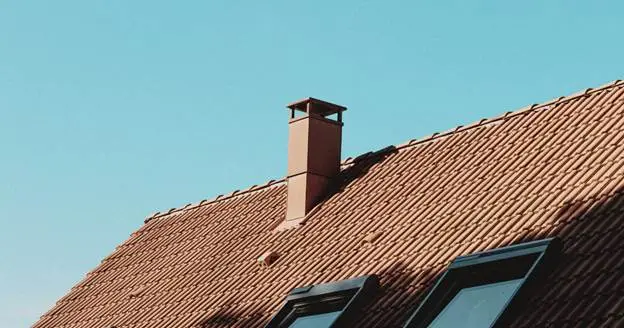
Regular inspections and timely repairs can help catch problems before they spread.
The Department of Energy recommends regular examination and maintenance when appropriate to help roofing products perform as intended.
5. Drainage
Water needs somewhere to go.
Blocked drains, poor slope, damaged gutters, or areas where water sits for long periods can place additional stress on a roof.
Signs That a Roof May Need Replacement
Roof age alone should not trigger replacement.
Instead, look for signs that the system is no longer performing properly.
These can include:
- Frequent leaks
- Large areas of damaged roofing
- Sagging
- Widespread cracking
- Open or failing seams
- Damaged flashing
- Persistent standing water
- Severe storm damage
- Repeated repair bills
- Visible deterioration across much of the roof
If problems keep returning after repairs, it may be time to compare the cost of continued repairs with the cost of replacement.
For example, a business that keeps repairing the same leaking areas may benefit from having a commercial roofing contractor College Station inspect the entire system.
Should You Repair or Replace the Roof?
This is one of the most important questions to answer before spending money.
Repair may make sense when:
- The damage is limited.
- Most of the roof is still in good condition.
- The roof has substantial useful life remaining.
- The problem has a known source.
Replacement may make more sense when:
- Damage is widespread.
- Leaks keep returning.
- The roof is near the end of its expected service life.
- Major components are failing.
- Repair costs continue to increase.
- The roof has suffered significant storm damage.
A professional inspection can help separate a local problem from a roof-wide problem.
For a smaller issue, a commercial roof repair College Station project may be enough to restore the roof without replacing the entire system.
Does Roof Age Mean It Must Be Replaced?
A 20-year-old roof does not automatically need to be removed.
Age is better viewed as a warning to pay closer attention.
Two roofs installed in the same year can have very different conditions because one may have received regular maintenance while the other experienced repeated storm damage or poor drainage.
IBHS research also shows that roof performance can vary considerably as roofing materials age.
This is why an inspection is more useful than simply looking at the installation date.
How Often Should Commercial Roofing Be Replaced?
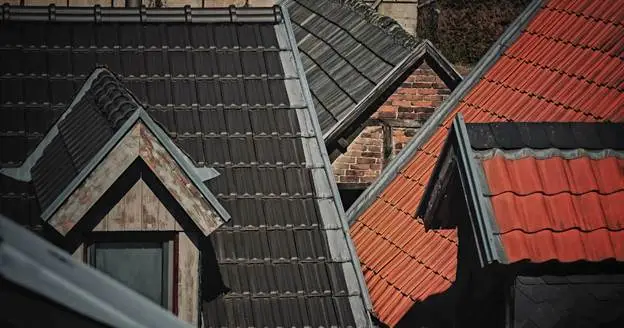
Commercial roofing can have very different replacement schedules depending on the roofing system.
A commercial building may use:
- Single-ply membrane
- Modified bitumen
- Built-up roofing
- Metal panels
- Spray polyurethane foam
- Roof coatings
Each system has its own expected service life.
Maintenance also matters.
A well-maintained commercial roof can remain useful longer than one that has been ignored.
If you manage a commercial property, keep records of:
- Installation date
- Roofing material
- Previous repairs
- Inspection reports
- Maintenance work
- Storm damage
- Warranty information
These records can help you decide when replacement is becoming more practical.
Conclusion
How often should roofing be replaced?
There is no general replacement schedule.
Many roofs can last 15 to 50 years or more, depending on the material and conditions.
Some commercial metal systems can last 40 years or longer, while other roofing systems have shorter expected service lives.
The better question is: What condition is the roof in, and how much useful life does it have left?
If the roof is still performing well, regular inspections and maintenance may be enough.
If leaks, deterioration, storm damage, or repeated repairs are becoming common, replacement may be the better long-term choice.
A professional roof assessment can give you the information needed to make that decision based on the actual condition of the building rather than age alone.