How much solar panels do I need for my house? Learn how to calculate panel count using energy use, panel wattage, sunlight, and roof space.
You can have a large roof, several electrical appliances, and a high electricity bill, but that doesn’t automatically mean you need 30 solar panels.
In fact, two houses of the same size can need very different solar systems.
So, how much solar panels do I need for my house? The answer starts with how much electricity you use each year, not how many bedrooms you have.
You also need to consider panel wattage, local sunlight, roof direction, shade, and the amount of energy your system can produce.
For example, homeowners researching solar panels Alberta need to consider local weather and seasonal sunlight when estimating solar production.
The same factors matter in other locations, too. The U.S. Department of Energy explains that roof conditions and available sunlight affect how well a home can use solar energy.
Let’s look at the numbers and the factors that determine the right system size for your home.
How Many Solar Panels Does an Average House Need?
There isn’t one panel count that works for every home.
As an example, a house using around 10,800 kilowatt-hours (kWh) of electricity each year might need approximately 19 solar panels rated at 440 watts each, depending on local solar production.
The U.S. Energy Information Administration reported that the average American residential electricity customer purchased 10,791 kWh in 2022.
Your actual requirements may be different.
- A small home with low electricity use may need fewer panels.
- A larger home with several electrical appliances may need more.
- A home using electric heating, air conditioning, or an electric vehicle may need a larger system.
Remember, your electricity use matters more than the size of your house.
How to Calculate How Many Solar Panels You Need
You only need three main figures to make an initial estimate:
- Your yearly electricity consumption.
- The wattage of each solar panel.
- The expected annual production of a solar system in your location.
Use this formula:
Number of panels = Annual electricity use ÷ (Annual production per kW × Panel wattage in kW)
Let’s look at an example
Suppose your home uses 10,800 kWh of electricity annually.
You want to install 440-watt solar panels, and your location has an estimated annual production of 1,300 kWh per installed kW.
Your calculation would look like this:
- Annual electricity use: 10,800 kWh
- Annual production per kW: 1,300 kWh
- Panel wattage: 0.44 kW
10,800 ÷ (1,300 × 0.44) = 18.88 panels
You would need approximately 19 panels, giving you a system size of 8.36 kW.
This is an estimate, not a final installation design. Your installer should use location-specific production data and account for system losses before recommending a panel count.
Why Your Electricity Bill Matters
Before buying solar panels, check your last 12 months of electricity bills.
Look for your total electricity consumption in kWh. This figure tells you how much energy your home needs throughout the year.
Don’t use just one month’s bill because your electricity use may change with the seasons.
Also, consider future changes, such as:
- Buying an electric vehicle.
- Installing additional air conditioning.
- Adding a heat pump.
- Expanding your home.
- Replacing gas appliances with electric ones.
These changes can increase your electricity needs, so your solar system should account for them where possible.
Does Solar Panel Wattage Affect How Many You Need?
Yes. Solar panel wattage determines how much power each panel can produce under standard test conditions.
For example:
| Panel wattage | Number of panels | System size |
| 400 watts | 20 | 8 kW |
| 440 watts | 20 | 8.8 kW |
| 450 watts | 20 | 9 kW |
Higher-wattage panels can help you reach your target system size with fewer panels.
However, don’t choose panels based on wattage alone. Efficiency, physical size, temperature performance, warranty, and available roof space also matter.
How Roof Space and Sunlight Affect Your Solar System
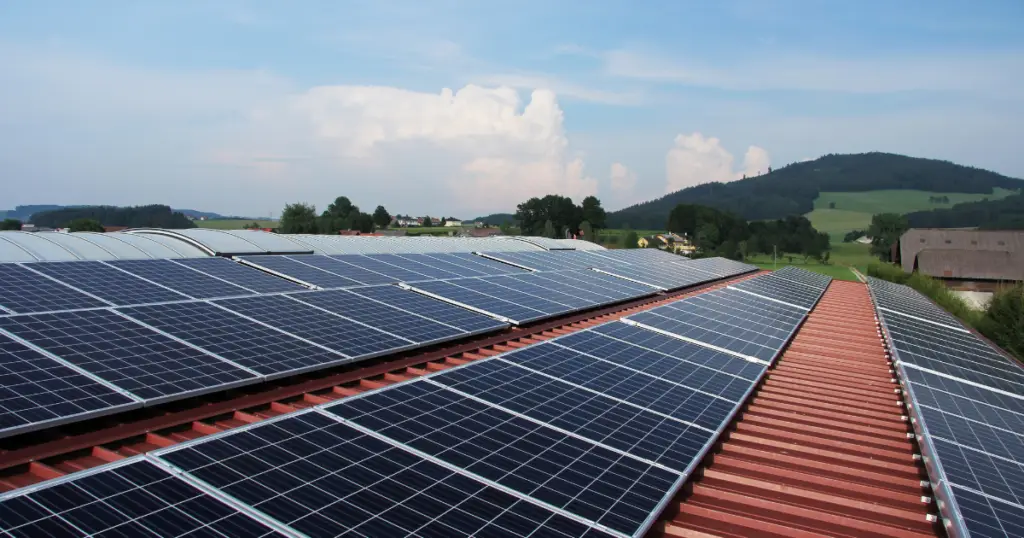
You may need 25 panels to meet your electricity needs, but your roof might not have enough suitable space.
Installers must account for:
- Roof direction and slope.
- Chimneys and vents.
- Skylights and roof windows.
- Trees and nearby buildings.
- Shaded roof sections.
- The roof’s age and condition.
According to the U.S. Department of Energy’s Homeowner’s Guide to Solar, unshaded, south-facing roofs with slopes between 15 and 40 degrees generally offer good conditions for solar panels in the Northern Hemisphere.
Other roof directions can also work, but production may differ.
For a location-specific estimate, the National Renewable Energy Laboratory’s PVWatts Calculator can estimate solar energy production using your location, system size, panel type, roof direction, and other settings.
Do You Need More Solar Panels If You Want Battery Backup?
Not necessarily. Battery storage and solar panel requirements are related, but they serve different purposes.
Your solar panels generate electricity, while your battery stores unused electricity for later use.
If you want backup power during an outage, you may need:
- A suitable battery storage system.
- A compatible inverter.
- Enough battery capacity for your essential appliances.
- Enough solar production to recharge the battery.
A standard grid-connected solar system may shut down during a power outage for safety reasons. Having solar panels alone does not guarantee backup electricity.
The U.S. Department of Energy’s guide to solar energy and battery storage explains important points to consider when choosing a solar system.
Questions to Ask Before Installing Solar Panels
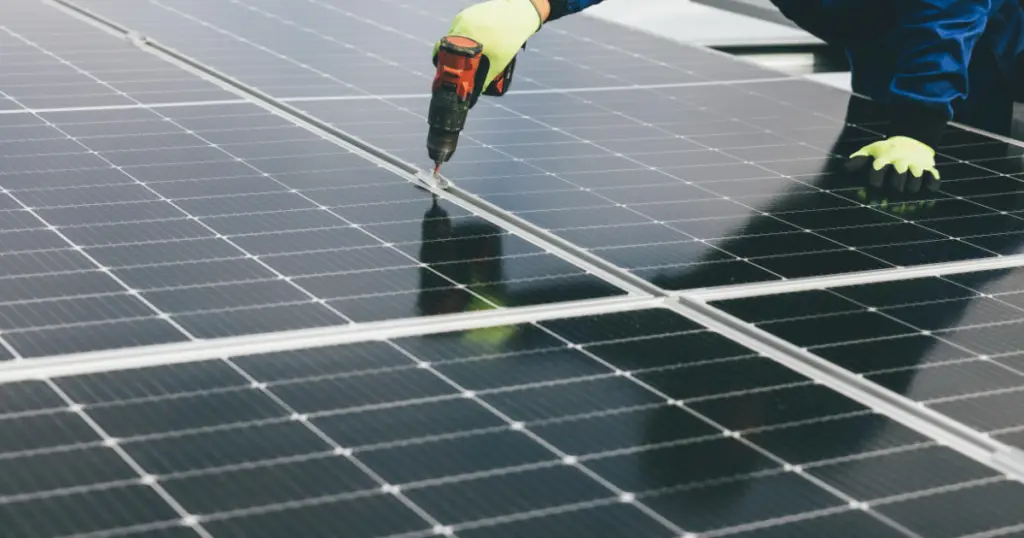
Before accepting a solar installation quote, ask these questions:
- How many kilowatts will the proposed system produce?
- What is the wattage of each panel?
- How much electricity will the system generate annually?
- Have roof shade and system losses been included?
- Will the system cover my current and expected electricity use?
- Does the installation include battery storage?
If you are comparing quotes from a solar company Edmonton homeowners can contact, make sure each company uses the same electricity consumption figures when preparing its estimate. This makes it easier to compare the proposed systems fairly.
Conclusion
So, how much solar panels do I need for my house?
For a home using around 10,800 kWh annually, 19 panels rated at 440 watts could be a reasonable starting estimate under the production assumptions used in our example.
However, your actual requirements depend on your electricity use, local sunlight, roof conditions, panel wattage, and system losses.
Start with your last 12 months of electricity bills, then get a solar assessment based on your exact location.
That way, you can install a system that meets your energy needs without paying for more panels than you require.