What does a roofing contractor do? Learn how roofers inspect, repair, replace, and maintain roofing systems.
If your roof starts leaking, you may wonder whether you need a roofer, a general contractor, or someone else.
A small leak can sometimes point to a bigger issue, while missing shingles, damaged flashing, poor drainage, or storm damage may need professional attention.
That is why knowing what does a roofing contractor do can help you make a better choice before you spend money on repairs.
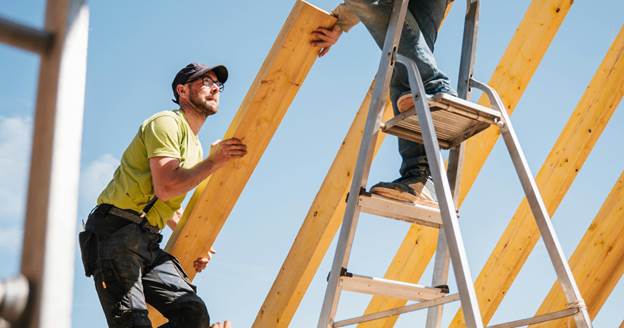
A roofing contractor does much more than put shingles on a roof.
They inspect roofing systems, find problems, recommend repairs or replacement, install roofing materials, handle maintenance, and help keep the job safe.
Depending on the company, they may also work on commercial buildings and help with insurance-related roof damage.
For example, if you are looking for a commercial roofing contractor Bryan, you may need someone who understands the different materials, drainage systems, and installation methods used on larger buildings.
What a Roofing Contractor Does
A roofing contractor is a trained professional or company that works on all parts of a roofing system. Their work typically includes:
- Roof inspections
- Leak detection and repairs
- Roof maintenance
- Full roof replacement
- New roof installation
- Storm damage assessment
- Material upgrades and improvements
They work on residential homes, commercial buildings, and industrial structures depending on their experience.
A good contractor doesn’t just fix problems. They explain what caused the issue and what options you have to correct it.
Roof Inspections
Roof inspections are one of the most important services roofing contractors provide.
Homeowners often request inspections after noticing leaks, storm damage, or aging materials.
During an inspection, a contractor checks for:
- Missing or damaged shingles
- Cracked or worn roofing materials
- Loose or damaged flashing
- Signs of leaks or water stains
- Soft or weakened roof decking
- Poor drainage or clogged areas
- Ventilation issues
- Storm or hail damage
They also inspect vulnerable areas like chimneys, skylights, valleys, and roof edges where leaks often begin.
A proper inspection should result in a clear explanation of the roof’s condition—not just a recommendation to replace it.
Roof Repairs
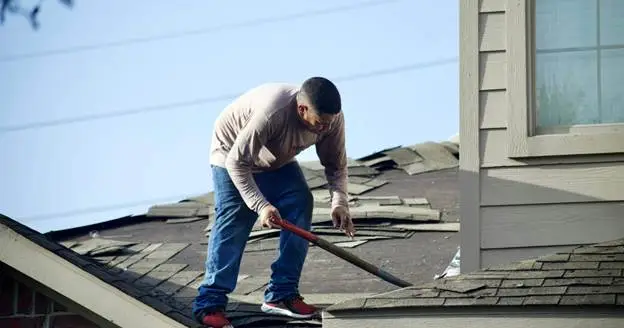
Roof repair is one of the most common services. Not all damage requires a full replacement, and many issues can be fixed quickly if caught early.
Common roof repairs include:
- Replacing missing shingles
- Fixing leaks
- Repairing flashing around roof openings
- Sealing cracks or penetrations
- Fixing storm or wind damage
- Repairing small sections of damaged roofing
For example, a ceiling leak inside your home may not be directly under the roof damage.
Water can travel before it becomes visible indoors, which is why professional diagnosis is important.
Roof Replacement and Installation
When a roof is too old or too damaged, a contractor may recommend replacement.
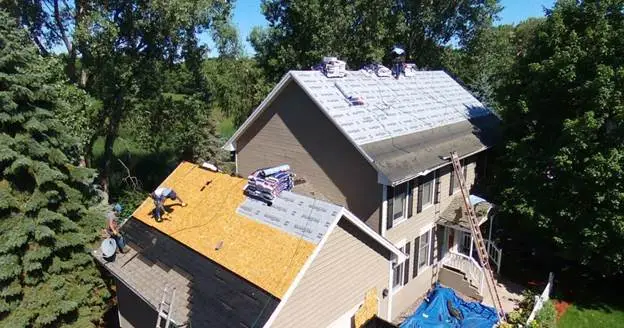
Roof replacement involves removing old materials and installing a new roofing system.
A typical replacement process includes:
- Inspecting the existing roof
- Removing old roofing materials (if needed)
- Checking and repairing the roof deck
- Installing underlayment
- Installing new roofing materials
- Adding flashing and ventilation components
- Final inspection and cleanup
The process varies depending on the roof type, building structure, and materials used.
Roofing Materials They Work With
Roofing contractors may specialize in different materials or work with several types.
Asphalt shingles
The most common residential roofing material. Contractors repair or replace shingles and entire systems.
Metal roofing
Used on homes and commercial buildings. Installation requires careful sealing, fastening, and water management.
Flat and commercial roofing systems
Common on commercial buildings. These systems require attention to drainage, seams, and waterproofing.
Each material requires different skills and installation methods, so experience matters when choosing a contractor.
Storm and Hail Damage Repairs
Severe weather is one of the most common reasons homeowners call a roofing contractor.
Wind, hail, and heavy rain can cause both visible and hidden damage.
After a storm, contractors may inspect for:
- Lifted or missing shingles
- Punctures or cracks
- Damaged flashing
- Leaks or water intrusion
- Granule loss on shingles
Storm damage is not always obvious from the ground, so professional inspection is important.
Insurance Claim Support
Some roofing contractors assist with insurance-related roof damage. However, it’s important to understand their role.
- The contractor inspects and repairs the roof
- The insurance company decides coverage and payment
Contractors may help by:
- Documenting damage with photos
- Providing repair estimates
- Explaining the scope of work
- Communicating technical details when needed
They cannot guarantee claim approval, so homeowners should be cautious of any contractor who makes such promises.
Safety in Roofing Work
Roofing is a high-risk job. Contractors work at heights, handle heavy materials, and use specialized equipment.
Safety practices are essential, including fall protection systems and proper training.
Weather conditions like rain or wind can also increase risk, so professional roofers follow strict safety guidelines during all projects.
What You Get From a Roofing Contractor
Before starting work, a contractor should provide a clear written estimate that includes:
- Type of materials used
- Scope of work (repair or replacement)
- Labor and material costs
- Project timeline
- Cleanup and disposal details
- Warranty information
- Payment terms
This helps homeowners understand exactly what they are paying for and avoid unexpected costs.
When to Call a Roofing Contractor
You should contact a roofing contractor if you notice:
- Water stains on ceilings or walls
- Missing or damaged shingles
- Roof leaks or recurring moisture issues
- Sagging roof areas
- Storm or hail damage
- Excessive granules in gutters
- Aging or deteriorating roof materials
Even without visible damage, periodic inspections can help catch small issues before they become expensive repairs.
How to Choose the Right Contractor
Choosing a roofing contractor should not be based on price alone. Consider:
- Experience with your roof type
- Proper insurance coverage
- Written estimates and contracts
- References or past work examples
- Material quality and options
- Warranty coverage
- Clear communication
- Safety practices
A reliable contractor will explain your options and help you make an informed decision rather than pressure you into unnecessary work.
Conclusion
So, what does a roofing contractor do? They inspect, repair, maintain, and replace roofing systems while ensuring the structure stays safe and weather-resistant.
Whether it’s a small leak, storm damage, or a full roof replacement, a roofing contractor helps identify the problem and provide the right solution.
Choosing an experienced and trustworthy professional ensures your roof lasts longer and protects your property effectively.