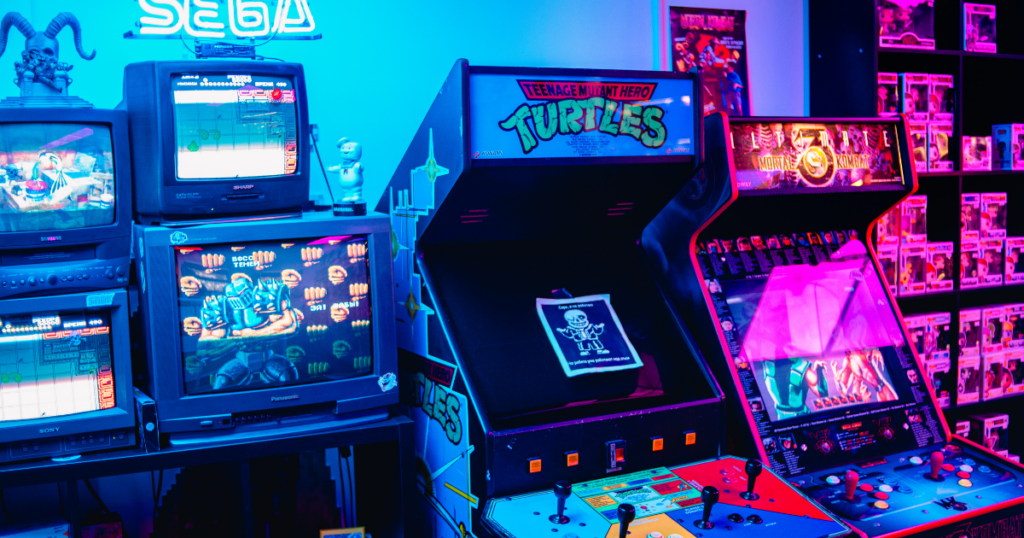

The evolution of online entertainment shows how the web changed games, video, music, social platforms, and the way people enjoy digital content.
The evolution of online entertainment did not happen overnight.
Before people could stream a movie from a phone or join an online game with players across the world, entertainment on computers was much more limited.
Early users relied on text, basic games, email, bulletin boards, and slow connections.
Then the Web changed how information could be shared.
CERN reports that Tim Berners-Lee created the World Wide Web in 1989, and CERN released the Web software publicly in 1993, helping it spread beyond its original scientific use.
That shift created new ways to watch, listen, play, communicate, and participate.
Even searches involving terms such as bandar toto (Toto bookmaker) now happen through the same connected digital environment.
But the bigger story is much broader: the evolution of online entertainment is really the story of entertainment becoming more connected, interactive, and available on demand.
Before the Web: Early Digital Entertainment
The roots of online entertainment go back further than the modern internet.
Computers were already being used for entertainment in the 1950s and 1960s.
The Computer History Museum records early computer versions of games such as chess, checkers, and tic-tac-toe.
One famous example was Spacewar!, created for the PDP-1 in the early 1960s.
Early networked systems also allowed people to communicate and interact.
Examples included:
- Bulletin board systems
- Online discussion groups
- Text-based games
- Early multiplayer environments
These systems were basic compared with today’s platforms, but they introduced a computer that could connect people as well as provide content.
The Web Changes Digital Entertainment
The arrival of the World Wide Web created a major turning point.
Tim Berners-Lee proposed the Web at CERN in 1989.
By the end of 1990, the first Web server and browser were working.
CERN later released the Web software publicly in 1993.
This made it easier for ordinary users to access information and eventually entertainment through a browser.
Websites could now provide:
- Written stories
- Images
- Music files
- Games
- Online communities
- Video clips
The Web also introduced a much more visual way to use the internet.
The Computer History Museum notes that early online services and bulletin boards had already offered discussion, shopping, news, chat, and email before the Web became dominant.
The Web brought many of these ideas into a more open and widely accessible environment.
From Downloading to Streaming
One of the biggest changes in the evolution of online entertainment was the move from downloading files to streaming content.
In the early days, slow internet connections made large media files difficult to access.
Users often had to wait for a file to download before they could use it.
Better networks changed that experience.
Streaming allowed content to be delivered while a person was watching or listening.
This helped change expectations around entertainment:
- People became less dependent on physical media.
- Content could be accessed from connected devices.
- Viewers could choose what they wanted to watch.
- Music could be accessed without storing every song locally.
The result was a shift from owning or downloading individual files toward accessing large libraries of content online.
Online Gaming Becomes More Social
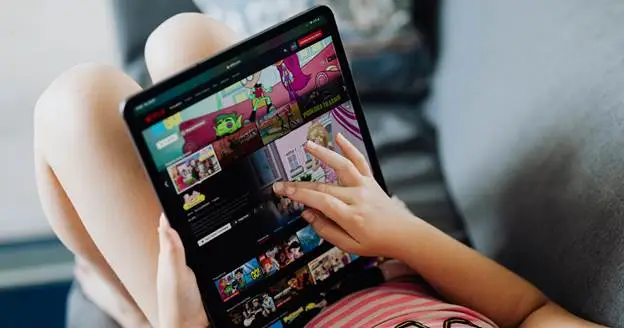
Gaming also changed significantly.
Early multiplayer systems allowed people to interact through text.
Later, faster networks and better graphics made larger online games possible.
The Computer History Museum records the growth of MUDs, or Multi-User Domains, in the early online era.
These allowed multiple people to play and socialize in shared digital spaces.
Later games expanded this idea.
Massively multiplayer online games allowed players to:
- Create digital characters
- Communicate with other players
- Form groups
- Complete tasks together
- Compete with people in different places
Games therefore became more than something played alone.
They could also function as social spaces.
Social Media Makes Users Part of the Content
Another major stage in the evolution of online entertainment was the rise of social platforms.
Earlier websites were often built around publishing information to an audience.
Social platforms changed that relationship by allowing ordinary users to create and share content themselves.
People could post:
- Photos
- Short videos
- Comments
- Personal updates
- Live broadcasts
- Reviews
- Memes
This created a shift from one-way entertainment to participatory entertainment.
The audience was no longer only watching.
People could also create, react, share, remix, and discuss.
Smartphones Put Entertainment in Your Pocket
The smartphone accelerated this change.
The Computer History Museum notes that mobile web access became a mass-market experience in the late 2000s as mobile data networks expanded and smartphones became more popular.
App stores also created new ways to distribute software and entertainment.
This changed when and where entertainment could happen.
A person no longer needed to sit at a desktop computer.
A phone could provide access to:
- Music
- Video
- Games
- Podcasts
- Social networks
- Live content
- Digital communities
This helped make entertainment more continuous and portable.
Online Entertainment Becomes More Interactive

The evolution of online entertainment is not only about better screens or faster internet.
It is also about interaction.
Modern digital entertainment can combine several activities at once.
Someone may watch a livestream, comment on it, share it with friends, and interact with the creator without leaving the platform.
The same pattern appears across different types of digital entertainment.
For example:
- Video became interactive through comments, reactions, and live chat.
- Gaming became social through multiplayer systems and online communities.
- Music became easier to access through digital libraries and streaming.
- Social platforms turned users into both audiences and creators.
That is a major reason the evolution of online entertainment is different from the history of traditional television, radio, or cinema.
Conclusion
The evolution of online entertainment shows how quickly digital habits can change.
It began with basic computer games, early networks, email, and text-based communities.
The Web then made online information easier to access.
Faster connections brought richer media, while streaming, social platforms, online gaming, and smartphones made entertainment more immediate and interactive.
Today, terms such as hargatoto (Toto price) may appear within the wider online environment, but they represent only a small part of a much larger digital history.
The bigger change is that online entertainment moved from something people mainly consumed to something they can access, create, share, and participate in from almost anywhere.