
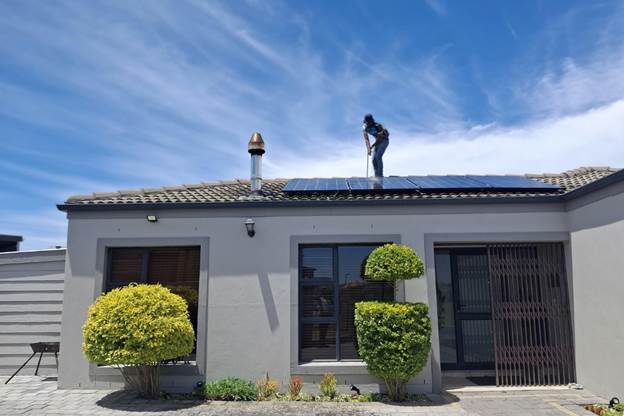
Learn how to fix roof condensation, what causes it, warning signs to watch for, and practical steps you can take to prevent mold and roof damage.
Why roof condensation is easier to miss than a leak
Most roof problems make noise. A leak leaves a stain. A loose shingle shows itself after a storm. Condensation is different. It works quietly, usually out of sight, and by the time you notice it, the damage has already started.
I’ve seen homeowners panic over what they thought was a roof leak, only to find out later it was trapped moisture from poor airflow.
In fact, this is something roofers and inspectors, including teams that provide Durable Roofing Services Natick, come across often during routine checks. The roof itself is fine, but the attic environment is not.
If you’re dealing with foggy attic air, damp insulation, or mystery moisture, this guide will walk you through how to fix roof condensation step by step, without jargon or guesswork.
What roof condensation actually means in plain terms
Roof condensation forms when warm air carrying moisture rises into the attic and hits a cold surface. That cold surface is usually the underside of your roof deck.
Think of it like a cold drink on a warm day. Water forms on the outside of the glass. Your roof works the same way.
Here’s how it usually happens:
- Warm air rises from your living space.
- That air holds moisture from daily activities.
- Cold roof surfaces cool the air
- Moisture turns into water droplets.
According to the U.S. Department of Energy, most attic moisture problems are caused by air leaks and poor ventilation rather than roofing material failure.
Why roof condensation is more common than you think
Many homes are built tight to save energy. That’s a good thing, but without proper airflow, moisture has nowhere to go.
Condensation tends to show up more often in:
- Cold or mixed climates
- Older homes with outdated ventilation
- Homes with finished attics
- Houses that use humidifiers regularly
It can also appear during spring and fall when temperature swings are sharp.
The most common causes of roof condensation
Condensation usually comes from a mix of small issues rather than one big mistake.
- Poor attic ventilation
- Ventilation allows moist air to escape before it cools and turns into water.
Problems often include:
- Blocked soffit vents
- Missing ridge or roof vents
- Exhaust fans without enough intake air
Adding more vents does not help if air cannot enter properly.
Weak or uneven insulation
Insulation keeps warm air inside your home where it belongs.
When insulation is:
- Too thin
- Compressed
- Missing in spots
Warm air leaks into the attic and feeds condensation.
Problem areas include:
- Attic access doors
- Recessed lighting
- Bathroom fan housings
Moisture from everyday living
Most homeowners are surprised by how much moisture daily life creates.
Common sources:
- Hot showers
- Cooking without exhaust fans
- Laundry drying indoors
- Overuse of humidifiers
The U.S. Environmental Protection Agency recommends keeping indoor humidity between 30 and 50 percent to reduce moisture risks.
Warning signs you should never ignore
Catching condensation early saves money and stress.
- Look for these signs
- Water droplets on the roof decking
- Damp or matted insulation
- A musty smell in the attic
- Mold spots on wood
- Rusted nails or fasteners
If these signs appear after cold nights rather than rainstorms, condensation is the likely cause.
How to fix roof condensation step by step
Fixing condensation is about balance, not quick patches.
Step 1: Improve attic ventilation
Good ventilation removes moist air before it becomes a problem.
Focus on:
- Clear soffit vents for intake
- Ridge or roof vents for exhaust
- Even airflow across the attic
Blocked vents cancel out the benefits of added exhaust.
Step 2: Seal air leaks from below
Warm air should never leak into the attic.
Seal gaps around:
- Attic hatches
- Light fixtures
- Duct penetrations
- Wiring holes
This step alone can dramatically reduce moisture movement.
Step 3: Fix insulation placement
Insulation must be:
- Evenly spread
- Properly rated for your climate
- Kept clear of ventilation paths
The U.S. Department of Energy stresses that insulation and ventilation must work together, not against each other.
Step 4: Control indoor moisture
Sometimes the fix starts inside your home.
Simple changes include:
- Running bathroom fans during showers
- Using kitchen exhaust fans
- Fixing plumbing leaks quickly
- Limiting humidifier use
Small habits make a big difference over time.

When condensation turns into a serious roofing concern
If moisture sits too long, it can:
- Weaken roof decking
- Rot structural wood
- Encourage mold growth
At this stage, ventilation alone may not solve the issue. This is when professional assessment becomes important, especially if wood damage is visible.
Long term prevention that actually works
Once you solve the problem, prevention keeps it away.
Best practices
- Inspect your attic seasonally
- Keep vents clear of debris
- Monitor indoor humidity
- Address small moisture issues early.
Research from Building Science Corporation shows that homes with balanced airflow and proper sealing experience fewer moisture-related failures over time.
Final thoughts
Roof condensation is common, fixable, and often misunderstood. Ignoring it leads to mold, rot, and costly repairs. Addressing it early protects your roof and your home’s air quality.
Now that you understand how to fix roof condensation, you’re in a better position to act before small moisture problems turn into major damage.