
Read on to know what to check in apartment inspection to avoid costly surprises. Use this practical checklist before moving in or moving out.
More than one in three renters report finding problems in their apartment after moving in that they did not notice during the first walkthrough, according to housing surveys from renter advocacy groups.
Small issues like a leaking faucet or damaged flooring can quickly become expensive disputes if they are not documented early.
That is why knowing what to check in apartment inspection is so important before you accept the keys.
If you are also preparing to leave a property, planning tasks such as Entrümpelung Wien (Property Clearance Vienna) can help make the move smoother while ensuring the apartment is ready for inspection.
A careful inspection protects your security deposit, helps you avoid unexpected repair costs, and gives you confidence that your new home is safe and in good condition.
Every room tells part of the story, and paying attention to the details before signing any paperwork can save you stress later.
Why Do Apartment Inspections Matter?
Many people rush through an apartment inspection because they are excited to move.
That excitement can make it easy to overlook problems.
A proper inspection helps you:
- Protect your security deposit
- Find maintenance issues before moving in
- Confirm everything works properly
- Keep written proof of existing damage
- Prevent disagreements with your landlord
Current research recommends documenting the condition of a rental unit before moving in and after moving out to reduce disputes over damages.
What to Check in Apartment Inspection: Your Complete Checklist
Knowing what to check in apartment inspection means looking beyond how nice the apartment appears.
Focus on safety, function, and existing damage.
1. Check the Walls, Floors, and Ceilings
Walk through every room slowly.
Look for:
- Cracks
- Water stains
- Holes
- Peeling paint
- Scratches
- Loose flooring
- Soft spots on the floor
Water stains on ceilings may point to previous leaks that should be investigated.
Take photos before moving in.
2. Test Every Door and Window
Doors and windows should open and close without difficulty.
Check for:
- Broken locks
- Damaged handles
- Missing screens
- Drafts
- Cracked glass
Good locks also improve your safety.
3. Turn Every Light On
Do not assume the electrical system works because one light turns on.
Test:
- Ceiling lights
- Light switches
- Bathroom lighting
- Hallway lighting
- Outdoor lights
- Closet lights
Plug a phone charger into outlets to confirm they work.
If several outlets fail, report them immediately.
4. Test Every Faucet
Water problems are common in rental properties.
Run every faucet in:
- Kitchen
- Bathroom
- Laundry room
Look for:
- Low water pressure
- Slow drainage
- Rust-colored water
- Leaks under sinks
Small leaks often become larger repairs later.
5. Flush Every Toilet
Flush each toilet several times.
Watch for:
- Weak flushing
- Constant running water
- Leaks around the base
- Slow refilling
A toilet that keeps running wastes water and may increase utility bills.
6. Inspect Kitchen Appliances
A kitchen inspection should never be skipped.
Check:
- Refrigerator cooling
- Oven heating
- Stove burners
- Microwave
- Dishwasher
- Garbage disposal
Open and close every appliance door.
Listen for unusual sounds.
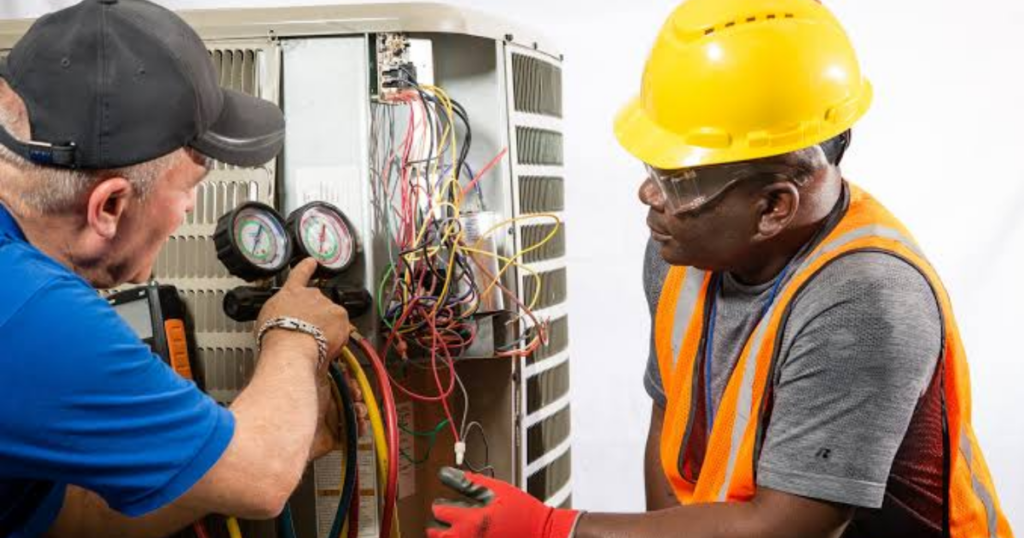
7. Check Heating and Air Conditioning
Comfort matters year-round.
Turn the system on.
Make sure:
- Warm air comes out during heating
- Cool air comes out during cooling
- Air flows evenly
- Strange smells are absent
- Loud noises are not present
According to the U.S. Environmental Protection Agency, heating and cooling systems should operate properly to support indoor comfort and air quality.
8. Look for Signs of Water Damage
Water damage is one of the most expensive problems in any apartment.
Check around:
- Windows
- Sinks
- Toilets
- Bathtubs
- Water heaters
- Ceiling corners
Watch for:
- Mold spots
- Peeling paint
- Damp smells
- Soft drywall
These signs may point to hidden moisture problems.
9. Inspect Smoke and Carbon Monoxide Detectors
Safety devices should always work.
Press the test button.
Confirm they:
- Make sound
- Are securely attached
- Have working batteries
The National Fire Protection Association recommends testing smoke alarms regularly.
10. Look Inside Cabinets and Closets
Storage areas often hide damage.
Look for:
- Water stains
- Mold
- Broken shelves
- Pest droppings
- Loose hinges
Open every cabinet.
Do not assume everything is fine because the doors are closed.
Check for Pest Problems
One important part of what to check in apartment inspection is looking for pests.
Watch for:
- Dead insects
- Mouse droppings
- Chewed materials
- Small holes
- Bug traps
Ask whether the building has regular pest control.
Inspect the Balcony or Outdoor Space
If the apartment includes a balcony or patio, inspect it carefully.
Look for:
- Loose railings
- Cracked concrete
- Standing water
- Broken doors
- Damaged flooring
Safety should always come first.
Document Everything
Photos can protect you later.
Take pictures of:
- Every room
- Existing scratches
- Cracks
- Appliance damage
- Stains
- Broken fixtures
Record short videos if needed.
Email copies to yourself so they are dated.
Ask Questions During the Inspection
Knowing what to check in apartment inspection also means asking the right questions.
Examples include:
- When were the appliances replaced?
- Has the apartment had water damage?
- Who handles repairs?
- How do emergency maintenance requests work?
- Which utilities are included?
- Have pests been treated recently?
Good landlords should answer honestly.
Before Moving Out
Apartment inspections also happen when your lease ends.
Before your final inspection:
- Remove all personal belongings.
- Clean every room.
- Repair small damage if your lease requires it.
- Patch nail holes where appropriate.
- Take final photos.
If you’re clearing out a larger property before handing it back, services like Hausentrümpelung Wien (House Clearance Vienna) may be useful for removing unwanted items efficiently before the inspection.
Common Mistakes Renters Make
Many renters lose part of their deposit because they overlook small details.
Avoid these mistakes:
- Rushing the inspection
- Forgetting to take photos
- Ignoring small leaks
- Not testing appliances
- Missing damaged flooring
- Forgetting windows and locks
- Failing to report issues immediately
Even minor damage should be documented.
Apartment Inspection Checklist
Before signing your lease, confirm you have checked:
- Walls and ceilings
- Floors
- Windows
- Doors and locks
- Light switches
- Electrical outlets
- Plumbing
- Toilets
- Kitchen appliances
- Heating and cooling
- Smoke alarms
- Carbon monoxide detectors
- Cabinets
- Closets
- Signs of pests
- Balcony
- Existing damage
- Photos and videos
This checklist covers nearly everything you should inspect.
Conclusion
Knowing what to check in apartment inspection helps you avoid expensive surprises and gives you peace of mind before moving into a new home.
A careful inspection takes a little extra time, but it can save hundreds or even thousands of dollars later.
Check every room, test every system, document existing damage, and ask questions before signing your lease.
Whether you are moving in or preparing to move out, taking a careful approach protects both you and your landlord and helps make the entire rental process much smoother.