

Discover the top cybersecurity challenges and solutions in the digital age, with examples, simple tips, and practical steps you can use to protect your data.
I’ve worked online for years, and one thing I’ve learned is that most people don’t take cybersecurity seriously until something goes wrong. Sometimes it’s a small scare, like a strange login notification.
Other times it’s a full-blown disaster that shuts down an entire business day. I’ve seen it all, from missing backups to weak passwords to companies leaving private files open to the public.
The truth is simple: we live in a digital age where everything is connected, and the same tools that make our lives easier also make us vulnerable.
In this article, I want to break down the cybersecurity challenges and solutions in the digital age in a way that feels natural, practical, and based on real experience.
I won’t overwhelm you with jargon. I won’t scare you. My goal is to help you understand the risks and give you steps that actually work.
Why Cybersecurity Is Harder Than Ever
When I first started helping clients manage their online systems, the threats were pretty basic. You worried about viruses, slow computers, and maybe a strange email here and there. But as technology grew, the risks multiplied.
Today, we store everything online, customer information, business documents, financial details, private messages, photos, and even our home devices. And because we move fast and want things to work instantly, we don’t always stop to think about security.
I’ve noticed three big shifts that make cybersecurity harder today:
First, we use more devices than ever before. Our phones, tablets, laptops, smart watches, smart TVs, and even home appliances connect to the internet. Each connection is a possible entry point for an attacker.
Second, remote work changed everything. Instead of working in a single protected office, people now log in from home, coffee shops, airports, and other places with Wi-Fi. That means business data travels across networks that may not be secure.
Third, cyberattacks have become more sophisticated. Attackers don’t just send random emails anymore. They use tools that analyze behavior, guess passwords, and impersonate real companies. Some attacks even use AI to make their messages sound more believable.
And small businesses are targets, according to a Statista report, global ransomware damages topped $20B recently.
These changes make cybersecurity feel overwhelming, but the solutions don’t have to be complicated.
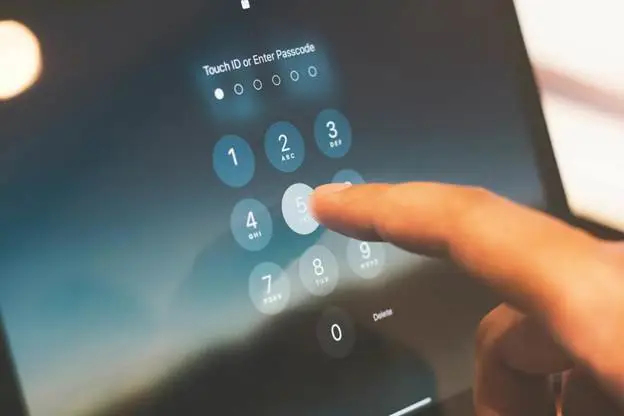
The Most Common Cybersecurity Challenges Today
When I work with clients, I see the same issues again and again, and they usually fall into a few categories.
· Weak Passwords and Human Mistakes
People think hackers sit in dark rooms typing fast lines of code to break into accounts. Most of the time, attackers simply guess passwords or use stolen ones from past leaks. In fact, Google’s Security Blog has shared findings showing how password reuse is responsible for a significant number of breaches.
What makes it worse is something I’ve seen way too often: people reuse the same password for almost everything. I once had a client whose entire team used the same login for email, cloud storage, and admin tools. One stolen password could have opened all three.
Human mistakes are a big part of cybersecurity. Someone clicks the wrong link, opens the wrong email, or trusts a message that looks real. It happens every day.
· Outdated Software
Another issue I see often is outdated systems. A business might be running an old version of its operating system, or a team member might be using an app that hasn’t been updated in years.
Updates exist for a reason. Many times, they fix security holes. When updates are ignored, those holes stay open.
Even Microsoft’s Security Team regularly emphasizes how unpatched systems are among the top causes of intrusions.
· Cloud Misconfigurations
The cloud has been a blessing for small businesses. It’s easy, fast, and flexible. But I’ve seen people store sensitive files in shared folders they didn’t know were public. I’ve also seen old employees keep access to company systems months after leaving.
The cloud is powerful, but only if it’s set up correctly.
· More Advanced Attacks
Cyber attacks today aren’t random. Many attackers research their victims first. They know who you work with, what tools you use, and even what your emails look like. They use this information to send messages that appear real.
This makes attacks harder to spot with the naked eye.
Cybersecurity Solutions That Actually Work
Now that we’ve looked at the challenges, let’s talk about solutions. I always tell clients the same thing: security doesn’t start with fancy tools, it starts with strong habits.
1) Strong Passwords and Multi-Factor Authentication
I know it sounds simple, but this is still the most important step.
Use unique passwords, store them in a password manager, and enable multi-factor authentication (MFA) whenever possible.
MFA is one of the easiest ways to block attacks. Even if someone steals your password, they won’t get in without the second step.
2) Keep Everything Updated
This one is easy to ignore, but it’s powerful. Updates fix weaknesses, and ignoring them gives attackers an easy way in.
I always set my devices to update automatically so I don’t have to remember.
3) Train Yourself and Your Team
Cybersecurity is everyone’s job. Even if you work alone, you have to train yourself to spot suspicious emails, avoid clicking unknown links, and pay attention to strange login activity.
In my experience, the people who avoid attacks aren’t the ones who know the most, they’re the ones who stay aware.

4) Use Smart Tools, Including AI
There are security tools today that can help you monitor activity and alert you when something seems unusual. Many businesses now use AI powered cybersecurity systems to detect suspicious logins, risky behavior, or unauthorized access.
These tools don’t replace human judgment, but they do help you catch problems early.
5) Back Up Everything
I always tell clients to treat backups like insurance. You hope you never need them, but you’re glad you have them when something goes wrong.
A solid backup plan saves businesses from ransomware and data loss. I’ve seen companies lose everything because their “backup” was just one old hard drive that failed the day they needed it.
6) A Simple Security Routine That Works
If you want a routine that keeps you safe without taking over your life, here’s what I use for myself and my clients:
Every week, I check for:
- new updates
- strange login activity
- files that shouldn’t be shared
Every month, I review:
- Who has access to business tools
- old accounts that need to be removed
- new apps that may need protection
Every quarter, I test backups and check for gaps.
This isn’t complicated, but it works.
———————
A client once reached out after someone attempted to log into their account from another country. Nothing was stolen, but it was a wake-up call.
We strengthened their passwords, added MFA, updated their software, cleaned up old access, and set up a proper backup system. In less than a month, they went from worried to confident.
What surprised them most wasn’t the tools, it was how simple the changes were.
Final Thoughts
The digital age brings amazing opportunities, but it also brings new risks.
You don’t need to be a tech expert to protect yourself. You just need thoughtful habits, simple tools, and a little consistency.
Cybersecurity isn’t about fear. It’s about staying one step ahead and protecting what matters most.