
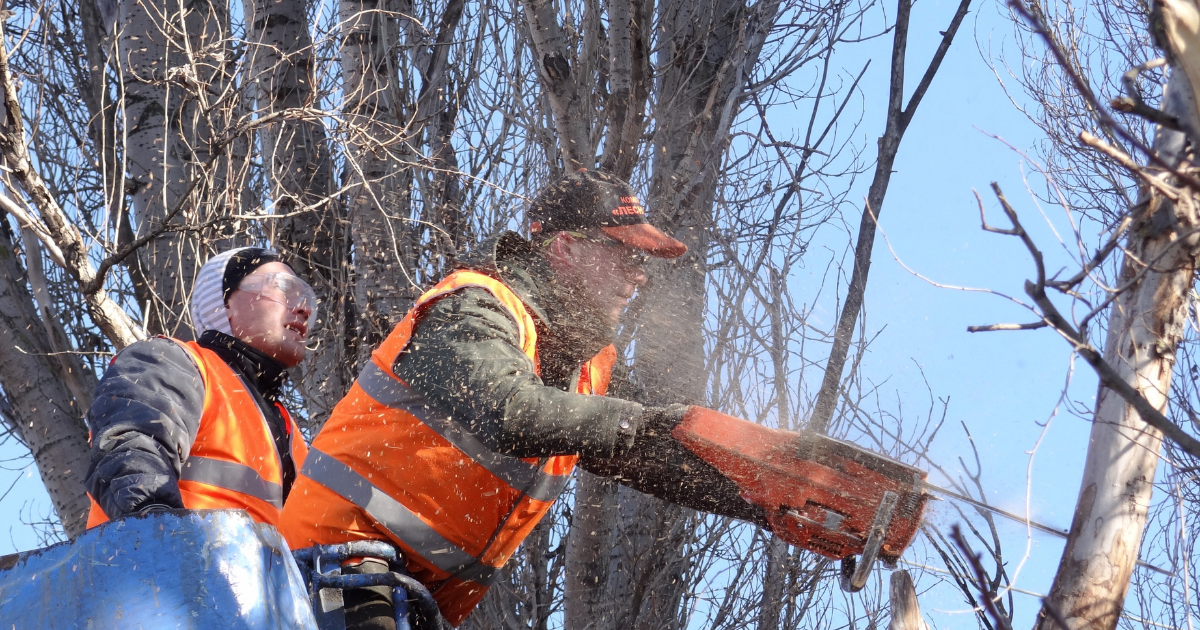
Are tree service companies profitable? Learn what affects revenue, costs, pricing, equipment, labor, safety, and profit in a tree care business.
Are tree service companies profitable?
They can be, but profitability is not automatic.
A tree service business may bring in strong revenue and still have little money left after paying workers, fuel, equipment, insurance, repairs, disposal, advertising, and other costs.
The difference often comes down to how well the business controls those expenses and prices each job.
The work itself covers many services, including tree pruning, removal, stump grinding, plant health care, and other specialized work.
OSHA lists several of these activities as part of the tree care industry.
For someone researching tree removal O’Fallon MO, the same question can come up from a business angle: is there enough value in these services to support a healthy company?
Looking at revenue alone will not answer that.
You also need to understand labor, equipment, job size, safety, and operating costs.
Are Tree Service Companies Profitable?
A tree service company can be profitable, but results vary widely from one business to another.
A company with good pricing, steady demand, trained workers, efficient crews, and well-used equipment may produce a healthy profit.
Another company doing similar work can struggle if it underprices jobs, has too much equipment sitting unused, or loses money through rework and poor scheduling.
The U.S. Small Business Administration recommends calculating startup and operating costs and using break-even analysis to understand when revenue covers expenses.
That is especially important for a tree service because many expenses are tied directly to each job.
Where Does a Tree Service Company’s Money Go?
Revenue is only one side of the equation.
Common business expenses include:
- Employee wages
- Fuel and vehicle costs
- Equipment purchases and repairs
- Insurance
- Safety equipment
- Equipment maintenance
- Disposal or hauling costs
- Licenses and permits
- Office expenses
- Marketing
- Software and communication
- Taxes and accounting
The SBA specifically lists equipment, insurance, employee salaries, advertising, licenses, utilities, and professional services among costs businesses should consider when calculating their expenses.
For a tree service, heavy equipment can make the cost structure even more important.
Equipment Can Help or Hurt Profit

A tree company may need trucks, chippers, stump grinders, chainsaws, trailers, loaders, climbing equipment, and other tools.
These can make crews faster and allow a business to take on larger jobs. ]
But buying equipment does not automatically increase profit.
An expensive machine that sits unused is still a business cost.
Equipment also needs:
- Fuel
- Repairs
- Replacement parts
- Maintenance
- Storage
- Insurance
- Skilled operators
The IRS explains that business equipment and vehicles can generally be subject to depreciation when they meet the applicable requirements.
This is one reason owners need to look beyond the purchase price when deciding whether equipment makes financial sense.
Labor Is Another Major Factor
Tree work is physically demanding and can require trained workers who know how to handle chainsaws, chippers, climbing equipment, and other tools.
Bureau of Labor Statistics data shows that tree trimmers and pruners had a median hourly wage of $24.50 in May 2025.
That does not mean a company simply charges customers more than the worker’s wage and keeps the difference as profit.
The business must also cover payroll-related costs, equipment, vehicles, insurance, administration, downtime, and other expenses.
This is why productive crews matter.
If a crew spends too much time driving, waiting, setting up, or correcting mistakes, fewer billable hours are produced.
Safety Can Affect Profitability
Tree work carries serious hazards.
OSHA identifies risks including falling branches, chainsaw injuries, falls, and contact with electrical lines.
A company therefore needs more than workers and equipment.
It needs proper training, hazard assessment, protective equipment, and safety procedures.
OSHA says an effective safety and health program can help reduce the extent and severity of work-related injuries and illnesses.
Safety should not be treated as an optional business expense.
Poor safety practices can lead to injuries, downtime, damaged property, legal problems, and higher costs.
Which Tree Services Can Generate Revenue?
A tree service does not have to depend on one type of job.
OSHA lists services such as:
- Tree pruning
- Tree removal
- Plant health care
- Cabling and bracing
- Tree transplanting
- Fertilization
- Consulting
- Lightning protection
A company may also offer stump grinding, emergency work, cleanup, or other related services depending on its skills, equipment, and market.
Having several services can give a business more ways to generate revenue.
However, adding a service also means considering the equipment, training, labor, insurance, and other costs required to perform it properly.
Why Pricing Matters
One of the easiest ways for a tree service company to lose money is to price jobs without knowing the real cost of completing them.
A quote should account for more than the number of hours workers spend cutting branches.
The business may need to consider:
Labor + equipment + fuel + disposal + travel + overhead + risk + desired profit = sustainable job price
The exact numbers will vary by company and job.
For example, a large removal involving difficult access, specialized equipment, and extensive cleanup should not be priced the same way as a small pruning job.
This is where accurate estimating becomes important.
How Can a Tree Service Improve Its Profitability?

A business owner can examine several areas:
- Track the real cost of every job.
- Price work based on actual expenses, not guesswork.
- Keep crews productive without rushing unsafe work.
- Maintain equipment before small problems become expensive repairs.
- Schedule jobs efficiently to reduce unnecessary travel.
- Build several useful service lines.
- Monitor unpaid invoices and cash flow.
- Review which jobs produce the strongest contribution after direct costs.
The SBA’s break-even approach is useful here because it compares fixed costs, variable costs, selling prices, and expected sales.
Conclusion
Are tree service companies profitable?
Yes, they can be, but profitability depends on how the business is managed.
Demand for tree care can create opportunities, but revenue alone does not guarantee profit.
Labor, equipment, fuel, insurance, safety, maintenance, pricing, scheduling, and overhead all affect the final result.
For anyone researching a tree service O’Fallon MO business or considering starting a tree care company, the better question is not simply, How much can a tree company make?
It is:
“After every cost is paid, how much does each job actually contribute to the business?”
That number gives a much more useful picture of profitability.