How can cosmetic dentistry affect your health? Learn how cosmetic treatments affect your teeth, gums, bite, and long-term oral health.
A better smile can help you feel more confident, but cosmetic dentistry can also affect your oral health.
Straightening crowded teeth may make brushing easier, while replacing missing teeth can help you chew food more comfortably.
However, some treatments can damage healthy tooth structure or cause problems if your teeth and gums are not healthy before treatment.
So, how can cosmetic dentistry affect your health? It depends on the procedure, your current oral health, and how well your dentist plans your treatment.
A cosmetic dentist may recommend teeth whitening, veneers, bonding, or aligners based on your needs. However, appearance should never come before dental health.
The American Dental Association (ADA) explains that veneers may require removing tooth enamel, making the procedure irreversible.
This is why you should understand the benefits and risks before choosing treatment. A healthy smile should look good and work well for years to come.
Can Cosmetic Dentistry Improve Your Oral Health?
Yes, some cosmetic treatments can improve how your teeth function.
For example, correcting crowded or misaligned teeth may make brushing and flossing easier.
This can help you remove plaque and lower your risk of tooth decay and gum disease.
According to the American Dental Association, untreated bite problems can contribute to abnormal tooth wear, chewing problems, and other dental concerns.
However, cosmetic treatment does not automatically improve oral health. Teeth whitening changes tooth color but does not treat decay or gum disease.
Your dentist should address these problems before starting elective cosmetic work.
How Can Cosmetic Dentistry Affect Your Bite?
Your bite affects how your upper and lower teeth meet when you chew.
If your teeth do not line up properly, you may experience uneven tooth wear, chewing difficulties, or jaw discomfort.
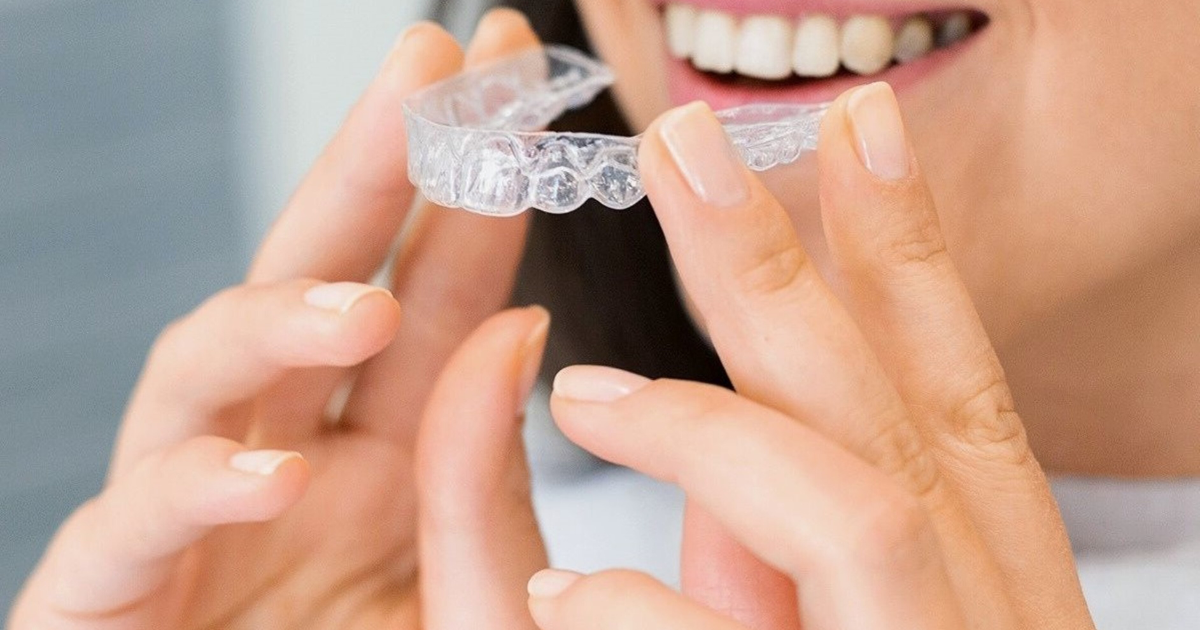
Treatments such as braces and Invisalign can move teeth into better positions. An orthodontist may recommend treatment if you have a more complex bite problem.
Straighter teeth may also be easier to clean, depending on your original tooth positions.
Still, treatment should focus on proper function as well as appearance.
Can Veneers Affect Your Dental Health?

Yes. Veneers can improve the appearance of chipped, stained, or uneven teeth, but they also carry risks.
Veneers are thin coverings placed over the front of teeth. Some types require removing a layer of enamel so they fit properly.
Because enamel does not grow back, this change is permanent.
Other possible problems include:
- Tooth sensitivity after treatment.
- Chipped or cracked veneers.
- Loose veneers that need repair or replacement.
- Gum irritation if the edges do not fit properly.
The ADA’s guide to veneers explains why these treatments require careful planning.
If you have tooth decay or gum disease, your dentist should treat these problems before placing veneers.
Ask whether a less invasive option, such as dental bonding, could meet your needs.
How Can Cosmetic Dentistry Affect Your Health Through Dental Implants?
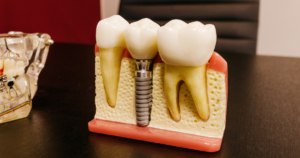
Dental implants replace missing teeth with artificial tooth roots that support crowns, bridges, or dentures. They can restore chewing function and help you speak more comfortably.
However, implant treatment involves surgery and healing. Infection, nerve injury, and problems with the implant joining the jawbone are possible complications.
Your medical history also matters. Poorly controlled diabetes and smoking can affect healing and increase the risk of complications.
Before treatment, your dentist should assess your gums, jawbone, medications, and general health.
You will also need to clean around your implant daily and attend follow-up visits to help keep the surrounding tissues healthy.
Learn more from the ADA’s dental implant guide.
Can Cosmetic Dentistry Affect Your Gums?
Yes. Some cosmetic treatments can irritate your gums, especially if dental work does not fit properly or makes cleaning difficult.
Plaque buildup can cause red, swollen, or bleeding gums. If gum disease progresses, it can damage the tissues and bone that support your teeth.
The National Institute of Dental and Craniofacial Research explains how gum disease develops and why early care matters.
Before cosmetic treatment, your dentist should check for gum problems. After treatment, brush twice daily with fluoride toothpaste and clean between your teeth every day.
What Is the Link Between Cosmetic Dentistry and Overall Health?
Your oral health is part of your overall health. Gum disease has been linked to conditions such as diabetes and cardiovascular disease, although researchers are still studying the reasons behind these connections.
Cosmetic dentistry itself has not been shown to prevent these conditions.
Its main health benefits depend on the treatment and whether it improves a real dental problem.
If you have diabetes or another condition that affects healing, tell your dentist before treatment.
This helps your dental team plan care that suits your needs and reduces avoidable risks.
How Can You Protect Your Health After Cosmetic Dentistry?
Your daily habits help protect both your natural teeth and your dental work.
Follow these steps:
- Brush twice daily with fluoride toothpaste.
- Clean between your teeth every day.
- Follow your dentist’s instructions after treatment.
- Attend regular dental checkups.
- Wear your retainer as advised after orthodontic treatment.
- Avoid biting hard objects that could damage veneers or crowns.
Contact your dentist if you develop lasting pain, swelling, bleeding, or a change in your bite after treatment. These symptoms need attention rather than being ignored.
Is Cosmetic Dentistry Safe for Everyone?
Not every treatment suits every person. Your dentist should check your teeth, gums, bite, medical history, and goals before recommending a procedure.
Before you agree to treatment, ask:
- Is my mouth healthy enough for this procedure?
- Will the treatment remove healthy tooth structure?
- What are the possible risks?
- How long should the results last?
- What maintenance will I need?
These questions help you compare your options and understand the long-term costs and risks.
Conclusion
How can cosmetic dentistry affect your health? It may improve chewing, help you clean crowded teeth, or replace missing teeth.
However, treatments such as veneers and implants also carry risks that depend on your oral health and the procedure.
The best choice is one that meets your goals without putting healthy teeth and gums at unnecessary risk.
Ask your dentist about the benefits, limits, and alternatives before making a decision. Your smile should not only look good; it should also stay healthy.