Learn what are physiotherapy equipment, the main types, how they are used, and what to consider when choosing equipment for a clinic.
Physiotherapy is not only about massage or hands-on treatment. A physiotherapist may use exercise, movement training, assessment tools, and different types of equipment to help you recover and move better.
That is why the question what are physiotherapy equipment is worth looking at more closely. The term covers many tools, from resistance bands and treatment tables to electrical stimulation machines and rehabilitation equipment.
If you are setting up a clinic, replacing older equipment, or trying to understand what you see during treatment, knowing what each item does can help. For example, a clinic looking for physiotherapy equipment Perth may need different products from a sports clinic.
The right equipment depends on the patients being treated, the type of rehabilitation provided, and the space available.
It should support good clinical care rather than simply fill a treatment room.
What Are Physiotherapy Equipment?
Physiotherapy equipment refers to tools, machines, and treatment aids used by physiotherapists during assessment, treatment, exercise, and rehabilitation.
Some equipment helps patients build strength. Other equipment supports balance, walking, mobility, or joint movement. Certain machines may also be used as part of specific physical treatments.
There is no single equipment list that works for every clinic.
A patient recovering from knee surgery may need exercise and strengthening tools. Someone recovering from a neurological condition may need equipment that supports walking, balance, coordination, or daily movement.
The World Health Organization (WHO) explains that rehabilitation services can require specific assistive products, equipment, and supplies based on the person’s condition and rehabilitation needs.
This shows why what are physiotherapy equipment has a much broader answer than simply naming a few machines.
Common Types of Physiotherapy Equipment
Physiotherapy clinics often use a mix of basic exercise tools and specialised equipment.
1. Treatment Tables
A treatment table provides a stable surface for assessment, treatment, stretching, and some exercises.
Depending on the model, it may have:
- Adjustable height
- Movable sections
- Head and leg supports
- Padded surfaces
- Electric or hydraulic controls
An adjustable table can make it easier for a physiotherapist to position a patient safely and comfortably.
The size and weight capacity also matter. Choose a table that suits the patients you treat rather than simply choosing the cheapest option.
2. Resistance Bands and Exercise Tools
Not all physiotherapy equipment is large or expensive.
Resistance bands, exercise balls, weights, balance pads, steps, and similar tools are widely used during rehabilitation.
They can support:
- Muscle strengthening
- Flexibility
- Balance
- Coordination
- Joint stability
- Movement control
Many exercises using these tools can also be continued at home. A physiotherapist can adjust the resistance or difficulty as the patient gets stronger.
3. Exercise Bikes and Treadmills
Exercise bikes and treadmills may be used to improve movement, walking ability, strength, or endurance.
A stationary bike provides controlled leg movement. A treadmill may be used for:
- Walking practice
- Endurance training
- Speed control
- Gait training
- Lower-body rehabilitation
Some rehabilitation treadmills provide additional support for people who cannot yet walk safely without assistance.
The equipment should match the patient’s condition and ability. More challenging does not always mean better.
4. Electrical Stimulation Equipment
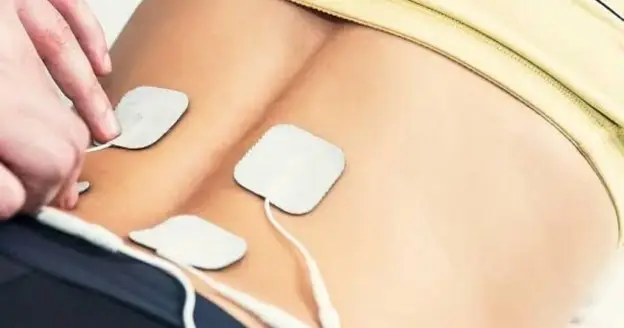
Electrical stimulation equipment uses controlled electrical signals to stimulate nerves or muscles.
Two terms you may see are TENS and NMES.
TENS, or transcutaneous electrical nerve stimulation, is commonly associated with pain management. NMES, or neuromuscular electrical stimulation, stimulates muscles and may form part of rehabilitation for certain patients.
These treatments are not suitable for everyone, so a qualified healthcare professional should decide whether they are appropriate.
5. Ultrasound Therapy Equipment
Therapeutic ultrasound uses sound waves to deliver energy into body tissues. It is different from ultrasound used for diagnostic imaging.
Some physiotherapy practices use therapeutic ultrasound as part of treatment for selected conditions.
However, equipment should not replace proper assessment. The physiotherapist needs to consider the person’s symptoms, medical history, movement, and treatment goals before choosing a treatment.
Before You Buy Physiotherapy Equipment
If you’re setting up a new clinic or replacing existing equipment, don’t build your order around a product catalogue alone.
Start with your patient mix and the treatments you provide. Then make a list of the equipment you need most often.
Before placing an order, check:
- Does it suit your patients?
- Can your treatment rooms accommodate it?
- Does it meet relevant safety requirements?
- Is it easy to clean and maintain?
- Are replacement parts available?
- Does the supplier provide servicing or support?
- What warranty is included?
- What is the total cost, including delivery and installation?
If you are buying medical devices in Australia, regulatory status also matters. The Therapeutic Goods Administration (TGA) explains that, unless exempt or excluded, medical devices must be included in the Australian Register of Therapeutic Goods (ARTG) to be legally supplied in Australia.
You can use the TGA’s ARTG search guidance to check information about medical devices supplied in Australia.
If you are unsure which equipment your clinic needs, speak with a specialist supplier and explain your practice, patient types, treatment areas, and available space. A good supplier should help you match the equipment to your actual needs.
For clinics in Perth, you can also review the available range of physiotherapy equipment Perth and compare products, features, and support before making a purchase.
Buying the right equipment is an investment in your clinic. Take the time to compare your options, check the relevant requirements, and choose equipment your team will actually use.
Conclusion
So, what are physiotherapy equipment?
They are the tools, machines, and treatment aids used to support assessment, exercise, movement, rehabilitation, and certain physical treatments.
The list can include treatment tables, resistance bands, exercise bikes, treadmills, electrical stimulation devices, ultrasound equipment, balance tools, mobility aids, and hydrotherapy equipment.
The most useful physiotherapy equipment is not always the newest or most expensive. It should be safe, suitable for your patients, practical for your clinic, and useful for the treatments you provide.
If you are buying equipment for a physiotherapy practice, think about who will use it, how often it will be used, how much space it needs, how it will be maintained, and what support the supplier provides.
Those details can help you spend your budget wisely and create a treatment space that works for both your clinical team and the people you treat.