

Learn how to downsize a home without feeling overwhelmed by sorting belongings, planning the move, handling emotions, and making practical decisions.
How to downsize a home without feeling overwhelmed starts with accepting one important fact: you do not have to make every decision at once.
A home can hold decades of furniture, photographs, paperwork, gifts, collections, and memories.
Trying to sort everything in a few days can make the whole process feel impossible.
Downsizing is often more than moving into a smaller property.
It can mean deciding what still fits your daily life, what should go to family, what can be donated, and what you are ready to leave behind.
For some homeowners, the process also happens alongside retirement, a move closer to family, or a change in housing needs.
A top real estate agent who regularly works with homeowners through major transitions may help with the property side of the process, while a senior real estate specialist may have additional experience with downsizing-related needs.
The solution is to make the project smaller, more organized, and less emotional one decision at a time.
Start With the Reason for Downsizing
Before sorting a single drawer, ask:
Why am I downsizing?
Your answer can shape many decisions that follow.
You might want:
- Less home maintenance
- Lower housing costs
- A smaller living space
- Easier access to daily needs
- More time for family or hobbies
- To move closer to loved ones
- A home that better fits your current lifestyle
The National Institute on Aging notes that decisions about leaving a longtime home can be difficult and personal.
It recommends considering housing options and discussing the advantages and disadvantages before deciding.
Knowing why you are moving gives the process a purpose.
Do Not Start with Sentimental Items
This is one of the easiest ways to make downsizing harder.
Old photographs, letters, family heirlooms, and collections can bring back strong memories.
If you start there, one box can take hours.
Instead, begin with easier decisions.
Try:
- Expired products
- Broken items
- Duplicate kitchen items
- Old clothing
- Unused tools
- Extra household supplies
AARP also recommends making easier decisions first when decluttering because sentimental items can make the process more emotionally difficult.
Early progress can give you the confidence to tackle harder areas later.
Work on One Room at a Time
Do not look at the whole house and decide that you’ll have to finish it in one go.
Start from one room.
Then choose one smaller area inside that room.
For example:
Kitchen → one cabinet → one shelf
When that space is finished, move to the next.
AARP’s recent decluttering guidance similarly recommends working in manageable areas and taking the process one room at a time.
This approach gives you visible progress without making the project feel endless.
Use Four Simple Categories
As you sort, create four groups:
Keep — Things you use, need, or truly value.
Give — Items family or friends may want.
Donate or sell — Useful things that no longer belong in your home.
Dispose — Broken, unsafe, expired, or unusable items.
Try not to create too many categories.
Every extra option can create another decision.
For valuable, unusual, or potentially important items, pause before giving them away.
Some belongings may need a proper valuation, documentation, or advice from an appropriate professional.
Measure the New Home Before You Move
One common downsizing mistake is deciding what to keep without knowing how much space the new home has.
Get the measurements or floor plan of the new property if possible.
Then ask:
- Will this sofa fit?
- Where will the dining table go?
- Do I have room for this cabinet?
- How much storage is available?
- Which bedroom will hold which furniture?
AARP notes that having a floor plan can help people make better decisions about what will fit in a smaller home.
This turns “Do I like this?” into a more useful question:
“Do I have a place for this?”
Deal With Memories Without Keeping Everything
You do not have to keep every physical item to keep the memory attached to it.
For example, you might:
- Photograph a large collection
- Keep a few meaningful pieces
- Scan important documents or letters
- Give special items to family
- Create a small memory box
The idea is not to throw away your history.
It is to decide which physical items deserve space in your next chapter.
AARP notes that downsizing can be emotionally difficult because possessions often carry memories and meaning.
Set a Small Daily Target
You do not need to spend an entire Saturday sorting belongings.
Try a small target such as:
15 minutes → one drawer → stop
Or:
30 minutes → one closet section → stop
A short, repeatable routine can be easier to maintain than an exhausting weekend project.
The important thing is consistency.
Decide What Needs to Happen Before the Sale
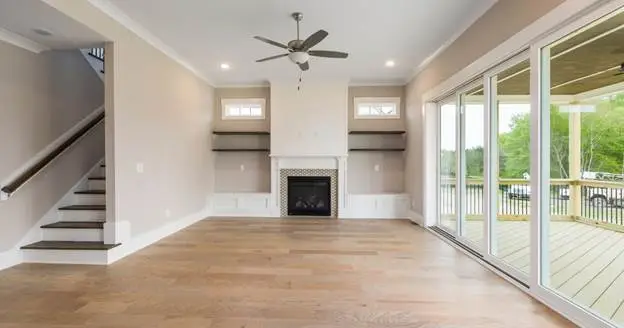
If downsizing also involves selling the current home, keep the two projects connected.
Before listing, you may need to:
- Remove excess furniture
- Clear storage areas
- Complete important repairs
- Clean the property
- Arrange donations or disposal
- Decide what will move with you
- Prepare the home for photography and showings
A real estate professional can help you understand which preparation steps may matter for the sale, while other tasks may require movers, organizers, contractors, appraisers, or legal professionals.
The key is to avoid spending money on unnecessary work.
Get Help with the Parts You Cannot Manage Alone
There is no rule saying one person must handle every part of downsizing.
You might ask:
- A family member to help sort belongings
- A friend to help with decisions
- A professional organizer to handle decluttering
- A moving professional to plan transportation
- A real estate professional to coordinate the property sale
AARP notes that move managers can assist with downsizing and the practical work involved in major moves.
If several people are involved, decide early who has authority to make final decisions.
This can prevent family disagreements later.
Conclusion
Learning how to downsize a home without feeling overwhelmed is less about getting rid of everything and more about making thoughtful decisions in manageable steps.
Start with your reason for moving.
Work in small areas.
Use the size of your next home to guide decisions.
Keep the items that have real value to your life and find sensible new homes for the things you no longer need.
For homeowners who have lived on one property for many years, downsizing can involve both practical work and meaningful memories.
Having a plan and getting the right help when needed can make the transition much easier to manage.