Want to know, are dental implants safe? Learn how they work, possible risks, healing time, and what you can do to improve your chances of a successful result.
Replacing a missing tooth is a big decision.
You may want to eat your favorite foods again, speak with ease, or smile without worrying about a gap.
Dental implants can help with these goals, but the idea of placing a metal post into your jawbone may sound a little scary.
This leads many people to ask, are dental implants safe?
For most healthy adults, dental implants are a safe and well-established way to replace missing teeth when a trained dental professional places them and you follow the care instructions.
Still, no surgery is free from risk.
Your general health, gum condition, bone strength, and daily habits can all affect the result.
Before you decide, speak with a dentist who can examine your mouth and explain your options.
Knowing how implants work, what can go wrong, and how to lower those risks can help you make a choice that suits your needs.
How Safe Are Dental Implants?
Dental implants have a strong safety record when the right patient receives proper care.
The American Association of Oral and Maxillofacial Surgeons reports an overall success rate of about 95% for dental implants placed by oral surgeons.
However, success does not mean there is zero risk.
An implant can fail to bond with your jawbone, become infected, or develop problems later.
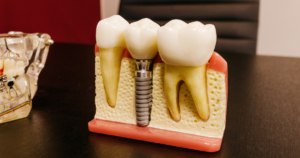
Most implants are made from titanium or other materials designed for use inside the body.
The U.S. Food and Drug Administration (FDA) explains how implant materials are tested and outlines the possible risks.
So, are dental implants safe for everyone?
No. Your health, bone strength, gum condition, and treatment plan all affect whether implants are a good choice for you.
What Are the Risks of Dental Implants?
Understanding the possible side effects helps you prepare for treatment and know when to seek help.
1. Infection Around the Implant
Bacteria can enter the surgical area and cause an infection.
You may notice swelling, pain, redness, or discharge around the implant.
A condition called peri-implantitis can also develop later.
It affects the gum and bone around an implant and may cause bone loss if left untreated.
Good oral care and regular dental visits help lower this risk.
2. Nerve Damage
In rare cases, an implant can affect a nearby nerve.
This may cause tingling, pain, or numbness in your lips, chin, gums, or other areas of your mouth.
Careful planning and imaging help the dental team identify important structures before surgery.
3. Sinus Problems
Implants placed in the upper jaw may cause sinus problems if they extend into or affect the nearby sinus area.
The Mayo Clinic lists sinus problems, infection, and nerve injury among the possible risks of dental implant surgery.
4. Implant Failure
An implant needs to bond with your jawbone to stay firmly in place.
Sometimes, this does not happen as expected.
Smoking, poor bone quality, infection, and certain health conditions may increase the risk of failure.
A loose implant needs prompt attention from your dentist.
Who May Have a Higher Risk?
Are dental implants safe if you have an existing health problem?
You may still be a suitable candidate, but your dentist needs to assess your individual risks.
Extra care may be needed if you:
- Have uncontrolled diabetes.
- Smoke or use tobacco.
- Have untreated gum disease.
- Take medicines that affect bone healing or blood clotting.
- Have a weak jawbone or a history of certain bone conditions.
- Grind or clench your teeth.
The Australian Government’s Healthdirect service advises patients to discuss their health conditions and medicines with their dental professional before implant treatment.
Do not stop taking prescribed medicine on your own.
Tell your dentist what you take so your care team can plan your treatment safely.
How Can You Make Dental Implant Surgery Safer?
You can take several steps to lower your risk of complications.
Before surgery:
- Choose a properly trained and qualified dental professional with experience in implant treatment.
- Share your medical history, allergies, and current medicines.
- Have your gums and jawbone checked.
- Ask whether you need treatment for gum disease or a bone graft before surgery.
- Discuss the expected benefits, risks, cost, and other treatment options.
A cosmetic dentist may help with the appearance of your final smile, while an oral surgeon or another suitably trained implant professional may handle the surgical part.
If you are also considering Invisalign or treatment from an orthodontist, tell your dental team before starting implants.
The timing of each treatment may affect your overall plan.
What Should You Expect After Implant Surgery?
Some pain, mild bleeding, bruising, and swelling are common after surgery.
These effects should gradually improve as you heal.
Your dentist may advise you to:
- Eat soft foods while the area heals.
- Brush and clean your mouth as directed.
- Take prescribed medicines according to the instructions.
- Avoid smoking during recovery.
- Attend follow-up appointments.
Bone healing can take several months.
During this time, your dentist will check whether the implant is becoming stable enough to support the replacement tooth.
Contact your dental professional promptly if your pain or swelling gets worse, you develop a fever, you notice pus, or the implant feels loose.
Seek urgent medical help if you have trouble breathing or swallowing.
Are Dental Implants Safer Than Bridges or Dentures?
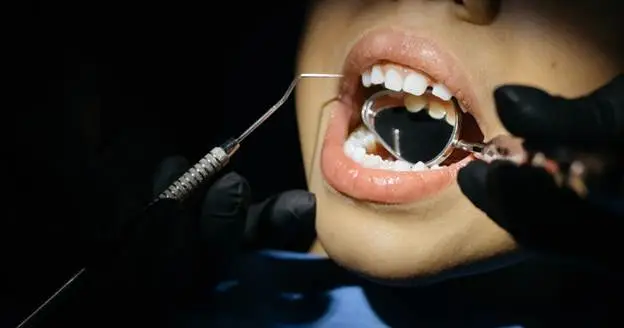
There is no single answer for everyone.
Each option has benefits and limits.
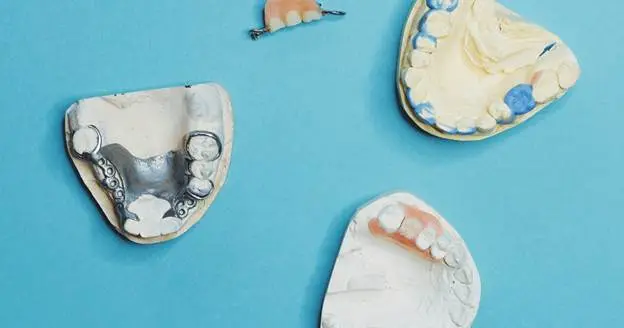
- Dental implants: Fixed replacements that sit in the jawbone. They require surgery and enough bone to support them.
- Dental bridges: Fixed teeth supported by nearby teeth or implants. Traditional bridges may require changes to the supporting teeth.
- Dentures: Removable teeth that do not require an implant operation. They may need adjustments as your mouth changes.
Dental implants can help you chew and may reduce bone loss around a missing tooth.
However, they require careful cleaning and ongoing dental care.
The Canadian Dental Association explains that implants need regular cleaning and checkups, just like natural teeth.
Your dentist can help you compare the options based on your oral health, budget, and long-term needs.
Conclusion
So, are dental implants safe?
For many healthy adults, yes.
They are a well-established way to replace missing teeth, but surgery carries risks, and not everyone is a suitable candidate.
Your best chance of a good result comes from a proper health assessment, careful treatment planning, good oral hygiene, and regular checkups.
Before you decide, ask your dentist to explain your personal risks and whether a bridge or denture might suit you better.
The goal is not just to replace a missing tooth.
It is to choose a treatment that supports your health and works well for you over time.