
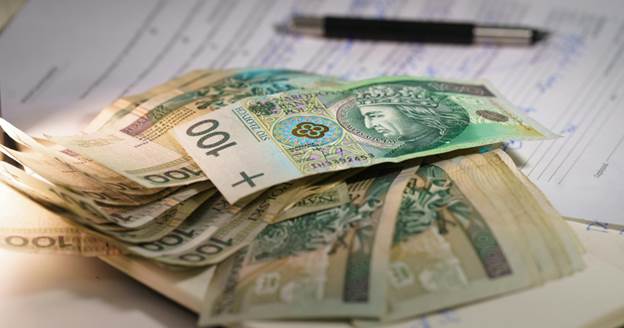
Why paper money is important remains an important question today. Read on to learn how cash supports privacy, emergencies, budgeting, and economic access.
According to the latest Federal Reserve Diary of Consumer Payment Choice, cash was used for 16% of consumer payments in the United States, proving that physical money remains part of everyday life despite the rise of digital payments.
At the same time, the World Bank reports that about 1.4 billion adults worldwide remain unbanked, meaning they often rely on cash for daily transactions.
These numbers help explain why paper money is important even in a world filled with mobile apps, debit cards, and online banking.
While digital payments offer convenience, physical currency continues to play a critical role in how people save, spend, and prepare for unexpected situations.
The same idea applies to tangible assets.
People who own collectibles, precious metals, or who want to sell gold long island often appreciate the value of holding something physical rather than relying entirely on electronic systems.
What Is Paper Money and Why Do We Still Use It?
Paper money is government-issued currency used as a medium of exchange.
It allows people to buy goods and services without bartering.
Modern paper money is backed by public trust in a nation’s economy and central banking system.
According to the Federal Reserve, U.S. currency remains legal tender for all debts, public charges, taxes, and dues.
Although digital payments continue growing, cash remains one of the most widely recognized payment methods worldwide.
This helps explain why paper money is important across different age groups, income levels, and communities.
Why Paper Money Is Important for Everyday Life
For many people, cash remains the simplest way to pay.
Unlike electronic transactions, cash does not require:
- Internet access
- A smartphone
- A bank account
- Electricity
- Payment processing systems
A dollar bill works whether you’re shopping at a local store or paying for a small service.
Cash also reduces delays caused by technical issues.
When card networks experience outages, physical money continues to work.
That reliability is one reason many households still keep emergency cash available.
Cash Helps Millions Stay Financially Included

Financial inclusion remains a major global challenge.
The World Bank’s Global Findex Report found that approximately 24% of adults worldwide still lack access to formal banking services.
For these individuals, paper money is not simply convenient.
It is necessary.
Cash allows people to:
- Receive wages
- Pay bills
- Purchase food
- Manage daily expenses
Without physical currency, many people would face barriers to participating in the economy.
This is another reason why paper money is important beyond simple convenience.
Paper Money Still Matters During Emergencies
Natural disasters, cyberattacks, power outages, and internet disruptions can affect payment systems.
The U.S. Federal Emergency Management Agency (FEMA) recommends keeping cash available as part of emergency preparedness planning because electronic payment systems may become unavailable during disasters.
During emergencies, cash can help families purchase:
- Fuel
- Food
- Medicine
- Essential supplies
When technology temporarily fails, physical currency often becomes the most dependable payment option.
Cash Gives People More Control Over Spending
Many families find budgeting easier when using cash.
Research from the Consumer Financial Protection Bureau shows that physical spending methods can help consumers become more aware of their purchasing habits.
When you hand over cash, you see money leaving your wallet immediately.
This creates a stronger connection between spending decisions and available funds.
For households focused on managing expenses, cash can serve as a simple budgeting tool.
Privacy Is Another Reason Cash Remains Valuable
Digital transactions create records that may be stored by banks, payment providers, or merchants.
Cash offers a level of privacy that electronic payments cannot fully match.
While financial regulations still apply, cash purchases generally leave a smaller digital footprint than online transactions.
For some consumers, maintaining personal privacy remains an important benefit of physical currency.
The Role of Paper Money in the Economy
Cash helps economies function smoothly.
Central banks use currency circulation to support economic activity and consumer confidence.
According to the Federal Reserve, currency in circulation continues to grow despite the increased use of electronic payments.
This trend shows that digital payments and paper money can coexist rather than completely replace one another.
The continued demand for physical currency highlights why paper money is important in both developed and developing economies.
Will Paper Money Ever Disappear?
A completely cashless society remains unlikely in the near future.
Governments, economists, and central banks continue recognizing the value of maintaining physical currency options.
Many consumers still prefer cash for:
- Small purchases
- Emergency savings
- Budgeting
- Privacy
- Accessibility
As long as these needs exist, paper money will likely remain part of everyday life.
What Collectors and Precious Metal Investors Can Learn From Physical Currency
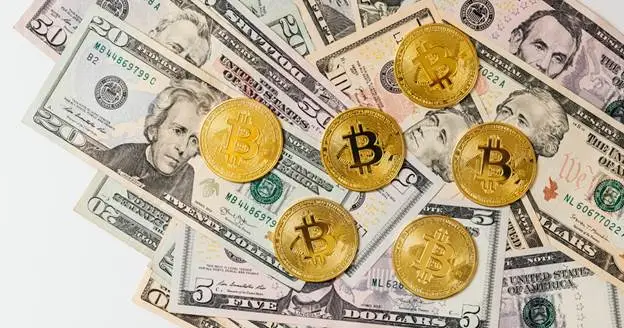
Paper money also reminds us that physical assets continue to hold value.
Collectors often seek rare currency, historical banknotes, and precious metals because they represent tangible stores of wealth.
Many people working with gold buyers garden city NY professionals understand the appeal of owning physical assets.
Similarly, individuals seeking cash for gold garden city services often appreciate the security of converting valuable items into accessible funds.
Others looking for cash for gold long island opportunities recognize that tangible assets can serve different financial goals depending on market conditions.
Conclusion
Technology has changed how we pay, but it has not removed the need for physical currency.
From financial inclusion and emergency preparedness to budgeting and privacy, there are many reasons why paper money is important today.
As payment options continue evolving, cash remains a trusted tool that supports millions of people every day.
Its continued use around the world shows that physical money still plays a meaningful role in modern life and helps explain why paper money is important even in an increasingly digital economy.