

When should I sell my coin collection? Learn the best times to sell, how to judge value, compare offers, and avoid common selling mistakes.
Many people think the best time to sell a coin collection is when coin prices are high.
That sounds logical, but price alone should not decide the timing.
If you inherited coins, need cash, are downsizing, or simply no longer enjoy collecting, the right time may be different for you.
When should I sell my coin collection then?
The answer depends on what you own, what it is worth, why you want to sell, and whether you can wait for a better opportunity.
A coin dealer Sarasota can help you assess a collection, but you should understand its value before accepting an offer.
Some coins are worth little more than their metal content, while others can have significant collector value because of rarity, condition, or demand.
Knowing the difference can help you avoid selling an important coin for less than it’s worth.
That matters before making your final decision.
When Should I Sell My Coin Collection?
No single date is right for every collector.
A good time to sell may be when:
- You no longer want to maintain the collection.
- You need money for an important expense.
- You have inherited coins you do not plan to keep.
- You are downsizing your home.
- You have researched the collection and received a fair offer.
- Certain coins have reached a value you are comfortable selling at.
- You want to move the money into another asset or goal.
The American Numismatic Association advises sellers not to make rushed decisions and to research the potential value of coins before selling.
Do High Coin Prices Mean It Is Time to Sell?
Not necessarily.
A rise in gold or silver prices can affect some coins, especially bullion.
But collectible coins don’t always move the same way as precious metals.
A rare coin may be affected more by:
- Rarity
- Condition
- Collector demand
- Historical importance
- Authenticity
- Current market demand
This is why you should not decide to sell an entire collection just because you hear that coin prices are rising.
Recent research shows that market price can differ from published retail prices, and sellers should focus on what buyers are actually paying rather than assuming a guide’s retail figure is what they will receive.
Sell When You Know What Your Coins Are Worth
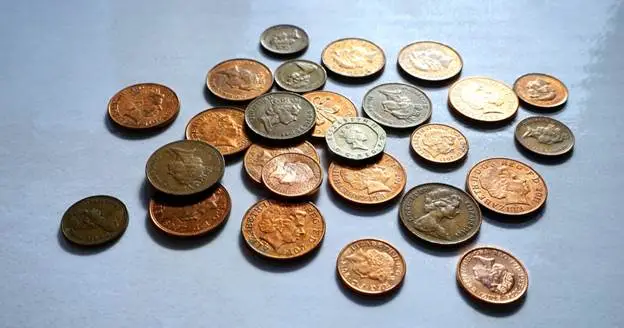
One of the worst times to sell is when you don’t know what you own.
Before selling, sort the collection and identify:
- Dates
- Mint marks
- Coin types
- Grading information
- Precious-metal content
- Rare or unusual pieces
- Coins in certified holders
Do not clean valuable coins before having them examined.
Cleaning can damage a coin’s surface and affect its collector appeal.
The ANA recommends careful handling and inspection when evaluating coins.
If the collection contains potentially rare pieces, consider getting professional opinions before accepting an offer.
Should You Sell an Inherited Coin Collection?
Inherited collections are one of the most common reasons people ask when should I sell my coin collection.
You do not have to sell immediately.
If you inherited a collection from a parent, grandparent, or another family member, take time to find out what is there.
The collection may contain coins with much more value than you expect.
The ANA notes that you can handle inherited collections in different ways, depending on their size and value.
Options can include selling to a dealer, selling privately, or using a specialized auction for higher-value collections.
Before selling an inherited collection:
- Keep everything together.
- Make a basic inventory.
- Separate rare-looking coins from common pieces.
- Research the collection.
- Get more than one opinion when the value is significant.
This gives you time to decide based on facts, not pressure.
Get More Than One Offer
If you are serious about selling, compare offers.
A dealer needs to buy coins at a price that lets the business cover costs and make a profit.
That does not automatically mean an offer is unfair.
The important thing is understanding the difference between:
Market value: What similar coins are actually selling for.
Retail price: What a dealer may ask a customer to pay.
Dealer offer: What a dealer is willing to pay you.
These numbers can be very different.
Recent research shows that retail prices don’t match the market price a seller should expect.
A trusted coin dealer should be willing to explain how an offer was calculated.
When Should I Sell My Coin Collection for Financial Reasons?
If you need money for a major expense, selling may make sense.
But avoid selling valuable coins simply because you need quick cash if there are other options available.
Quick-sale situations can make it harder to compare offers.
If you do need to sell quickly:
- Get at least two offers when possible.
- Ask whether the coins are being valued individually or as a group.
- Make sure rare coins aren’t priced only for their metal content.
- Ask about all fees or commissions.
- Get the final offer in writing.
Avoid pressure tactics, and do the necessary research before selling gold, silver, or coins.
Consider the Taxes Before Selling
Selling coins for a profit can have tax consequences.
For U.S. taxpayers, the IRS treats coin collections as capital assets in many situations.
Certain gains from collectibles, including coins, can be subject to a maximum 28% tax rate.
Your actual tax situation depends on factors such as how long you owned the coins, your cost basis, and your income.
Keep records of:
- What you paid
- When you bought the coins
- Appraisals
- Sales receipts
- Dealer offers
- The final sale price
For a valuable collection, consider speaking with a qualified tax professional before selling.
Signs You May Want to Wait
Sometimes the answer to when should I sell my coin collection is not yet.
Consider waiting if:
- You have not identified the coins.
- You have received only one offer.
- You suspect some coins are rare.
- You are being pressured to sell immediately.
- You have not checked current market prices.
- You are unsure about the tax impact.
- You are selling because someone told you the collection is worthless without a proper examination.
Waiting gives you time to gather information and make a better decision.
Conclusion
So, when should I sell my coin collection?
The best time is usually when you understand what you own, know what it is worth, and are comfortable with the offer you receive.
Do not let a headline about rising gold or silver prices decide for you.
A rare coin can have value beyond its metal content, while a common coin may be worth much less than you expect.
Take your time, compare offers, keep your records, and get another opinion when the collection is valuable.
A well-researched sale gives you a much better chance of knowing that you made the right choice.