
How often do you need to clean pool? Learn how to keep water safe, clear, and balanced. This guide explains schedules, habits, and long-term care.
I still remember the first pool I helped maintain. It belonged to a family friend who thought tossing in chlorine once in a while was enough.
By mid-summer, the water looked tired, the walls felt slippery, and nobody wanted to swim.
That experience taught me why people keep asking about how often do you need to clean pool and why the answer is not just once in a while.
Pool cleaning is about steady care, not emergency fixes. Just as you would rely on demolition contractors In Dallas TX, for careful, planned work rather than rushed decisions, your pool needs a routine you can trust.
A clean pool keeps swimmers healthy, protects your equipment, and saves money over time.
In this guide, I will walk you through realistic cleaning schedules, daily habits, and deeper maintenance steps.
Weekly Cleaning Tasks That Protect Water Quality
When answering how often you need to clean the pool, weekly cleaning is a non-negotiable.
This is where most of the real work happens.
Skipping weekly care lets dirt, oil, and algae settle in before you notice a problem.
Once that happens, cleaning takes longer and costs more.
Your weekly routine should include:
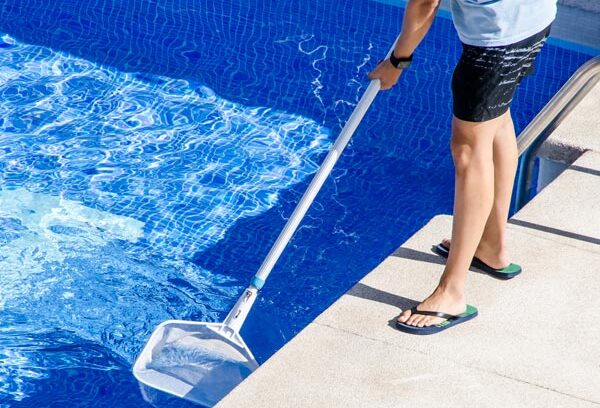
- Skimming the surface to remove leaves, bugs, and floating debris
- Brushing walls, steps, and corners where algae likes to stick
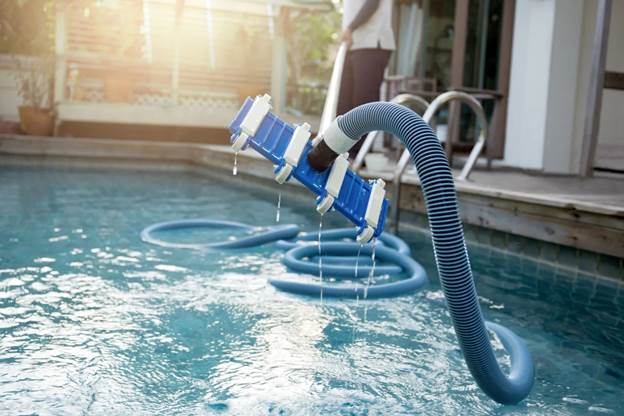
- Vacuuming the pool floor to remove settled dirt
- Checking filter pressure to confirm proper circulation
Brushing is often skipped, but it matters a lot. Algae does not always float. It clings quietly to surfaces.
According to the Centers for Disease Control and Prevention, proper pool maintenance helps reduce the risk of recreational water illnesses caused by bacterial and algal buildup.
Weekly cleaning keeps your water clear and safe without relying too heavily on chemicals.
Think of it like regular house cleaning. When you stay consistent, nothing gets out of control.
Daily And Every Other Day Habits That Prevent Buildup
Many people ask how often do you need to clean pool overlook the small habits that make a big difference.
These tasks take only a few minutes but stop problems before they start.
I have seen pools stay clear all season just because the owner paid attention every day.
Helpful daily or every other day habits include:
- Quick skimming after windy days or heavy use
- Checking the water level so pumps and skimmers work properly
- Looking at water clarity to spot early changes
These habits are not about deep cleaning. They are about awareness. When sunscreen, sweat, and debris build up, water chemistry shifts fast.
The Pool and Hot Tub Alliance explains that regular monitoring helps maintain proper circulation and sanitation.
This approach reminds me of routines in child care environments, where small daily checks prevent health issues later.
A quick look today can save hours of cleaning later. It is one of the easiest ways to stay ahead of pool problems.
How Weather, Usage, And Surroundings Change Cleaning Frequency
There is no single answer to how often do you need to clean pool because every pool lives in a different environment.
Weather, location, and how often people swim all affect cleaning needs. Ignoring these factors leads to frustration and cloudy water.
Things that increase cleaning frequency include:
- Hot weather, which speeds up algae growth
- Rainstorms, which wash dirt and bacteria into the pool
- Heavy swimmer use, adding oils and debris
- Nearby trees, dropping leaves and pollen
I once worked with a homeowner whose pool sat under large trees. During the fall, daily skimming became necessary just to keep leaves from sinking.
The Environmental Protection Agency notes that organic debris increases chlorine demand and affects water balance.
The key is adjusting your routine based on what your pool faces each week.
Just like choosing child care near me depends on location and needs, pool care should match your surroundings, not follow a rigid rule.
Monthly And Seasonal Deep Cleaning That Saves Money
When people think about how often they need to clean a pool, they often forget about monthly and seasonal care.
These deeper cleanings protect your equipment and help avoid expensive repairs.
Skipping them may not show immediate problems, but damage builds quietly.
Monthly and seasonal tasks should include:
- Cleaning or backwashing the filter
- Testing and adjusting water chemistry
- Inspecting pumps, hoses, and seals
- Shocking the pool when needed
Filters are the heart of your pool system. When they clog, water quality drops fast.
The Association of Pool and Spa Professionals explains that proper filtration improves water clarity and extends equipment life.
Seasonal cleanings are also important before summer starts and when closing the pool.
These steps reset your system, so weekly and daily care stays simple and affordable.
Signs Your Pool Needs Cleaning More Often Than Planned
Even with a schedule, your pool will give you signals when it needs extra attention.
Learning these signs helps you adjust how often you need to clean the pool without guessing or overusing chemicals.
Watch for these warning signs:
- Cloudy or dull-looking water
- Slippery walls or steps
- Strong chlorine smell
- Visible green or yellow spots
Many people think a strong chlorine smell means too much chlorine. In reality, it often means poor water quality.
The World Health Organization explains that strong odors can signal chloramines caused by contamination.
When you notice these signs, increase brushing, vacuuming, and filter checks instead of adding more chemicals.
Paying attention early keeps problems small and manageable.
Conclusion
Understanding how often do you need to clean pool comes down to consistency and awareness.
Weekly cleaning forms the backbone of good pool care. Small daily habits prevent buildup.
Weather, usage, and surroundings guide how often you adjust your routine.
Monthly and seasonal deep cleaning protects your equipment and your wallet.
When you listen to warning signs early, you avoid stress and costly fixes later.
Pool care does not have to feel overwhelming. Keep it steady, keep it simple, and your pool will stay clear, safe, and ready whenever you want to swim.