

Can industrial waste be recycled in safer, cheaper ways today? Learn how real factories cut waste and improve efficiency with simple recycling steps.
Industrial waste can feel like a stubborn cost you just learn to accept.
But the more factories I’ve worked with, the more I’ve seen how much money and efficiency you gain once you stop treating waste as a “side effect” and start treating it as something you can control.
You care about keeping operations smooth. You care about saving money where it makes sense.
And if you’re like many plant managers I’ve met, you want to do this without slowing down production or complicating your team’s workflow.
In this post, you’ll see how industrial waste recycling works, what you can reuse, the safety side you shouldn’t overlook, and how simple steps make your process cleaner and more cost-effective.
I’ll also show you what leading organizations like the U.S. Environmental Protection Agency and the World Bank say about the impact of industrial recycling.
Let’s start with something many factories don’t realize: efficiency always shows up first in your waste stream.
How Industrial Waste Turns Into Efficiency Gains
I’ve walked through plants where waste bins overflowed by noon, and I’ve walked through plants where the floor stayed clean from morning to evening. The difference wasn’t luck. It was the way they handled waste from the start.
This is where a reliable drum recycling company becomes part of the picture. When the containers that carry your materials are cleaned, reused, or responsibly recycled, you gain better control over what goes in and what comes out.
Companies like Kelly Drums have built entire systems to help facilities reduce container-related waste, so the production team can focus on what they do best.
When you understand your waste stream, you see how each step affects the next. And efficiency starts showing up in places you didn’t expect.
Here’s what I’ve noticed in plants that take waste seriously:
- Cleaner material flow means fewer delays for the next shift.
- Less contamination means better quality output.
- Reduced scrap means fewer unexpected stoppages and fewer emergency purchases.
- Better labeling and storage keep workers safer and prevent mix-ups that slow production.
None of this happens by accident. It comes from knowing what you’re producing, where it’s going, and what can be safely reused or recycled.
What Types of Industrial Waste Can Be Recycled?
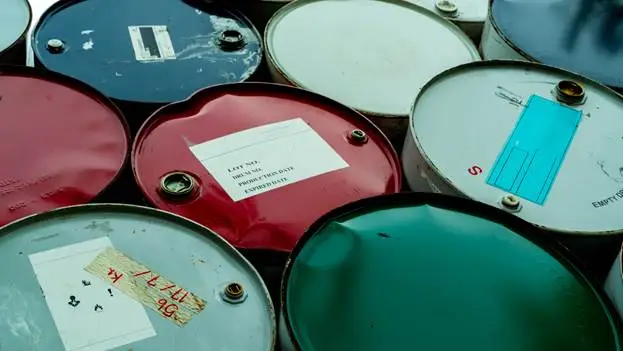
Many people are surprised by how much of their waste can be put to productive use. According to the EPA, a large portion of industrial waste from manufacturing, metals, chemicals, packaging, and distribution can be recycled or reused when it’s appropriately collected.
From what I’ve seen in plants, these categories usually give you the biggest wins:
1. Metals
Metals are among the most reliable materials to recycle because their structure doesn’t weaken during multiple cycles. Industries that use machining, stamping, fabrication, or production processes often generate steady streams of metal scrap without realizing its value.
How the recycling works
Recyclers melt the metal, remove impurities, and reshape it into new bars, sheets, or coils. This process uses far less energy than producing new metal from raw ore, which is why mills and suppliers are always ready to buy high-quality scrap.
2. Plastics
Industrial plastics can be recycled effectively, but only if they’re sorted and kept clean. This is where many plants lose value: contaminated plastic is usually rejected by recyclers.
How the recycling works
These plastics are shredded, washed, melted, and turned into pellets. The pellets are then used to create new containers, machine parts, or packaging materials.
3. Paper and Cardboard
People often overlook this category because it feels basic, but it adds up faster than you think, especially in facilities that handle constant shipments, labels, packaging, or documentation.
How the recycling works
Recyclers break the material down into pulp, filter out inks and contaminants, and press the pulp into new sheets and cardboard.
4. Oils, Coolants, and Solvents
This category often scares people because it ties into safety and compliance, but it’s also where you unlock serious savings when done right. The EPA confirms that many industrial liquids can be recovered rather than disposed of.
How the recycling works
Specialized recyclers filter, distill, and refine these liquids to remove dirt, water, and suspended metals. The treated liquids can often be reused safely by your facility or sold to approved buyers.
5. Wood Pallets and Crates
Wood waste might not seem as important as metal or plastic, but poor pallet handling is one of the top reasons facilities pay higher disposal fees.
How the recycling works
Most facilities repair pallets on-site or return them to a pallet service for refurbishing. Some plants chip unusable wood to make mulch or an engineered wood product
6. Industrial Drums and Containers
This is a major area for improvement for most plants, as drums transport raw materials, chemicals, oils, and finished products. When they’re cleaned and reused instead of discarded, your whole system becomes more efficient.
How the recycling works
A partner like Kelly Drums cleans, reconditions, or reprocesses the containers depending on their condition. Some drums can be reused multiple times, while others are recycled into raw plastic or metal.
When you understand each material type, you stop looking at waste as a single stream and start seeing it as a mix of materials with different paths. This is the point where recycling shifts from “something we should do” to “a key part of our production strategy.”
Once you know what can be recycled, you can design a simple system that:
- Keeps materials cleaner
- Makes sorting easier
- Cuts waste-related costs
- Improves compliance
- Supports smoother production flow
The Role of Data in Industrial Waste Recycling

Efficiency in waste management starts with something many factories overlook: the numbers.
In every facility I’ve visited, the plants that handle recycling well aren’t just cleaner; they’re also more efficient.
They track their waste the same way they track production. That level of clarity is what separates high-performing operations from those that are always putting out fires.
You can’t improve what you can’t see. And you can’t recycle well if you don’t know what you’re producing each day.
This is why good data becomes one of the most powerful tools in your recycling system.
Here are the areas your team should measure:
- Material entering the facility: This shows how much raw material you depend on and helps you compare actual use to expected use.
- Material leaving as a finished product: This number shows how efficiently your production lines operate.
- Material leaving as waste: Tracking this helps you see where your biggest losses happen and which waste streams have the most recycling potential.
- Daily scrap volume by machine or line: This is where you spot hidden patterns. When scrap from one machine jumps, it usually means something needs adjustment.
- Materials returned to suppliers: Sometimes, what you send back reveals issues with storage, handling, or purchasing accuracy.
- Drum and container usage cycle: Understanding how often your drums are cleaned, reused, or replaced helps you save money and reduce risk.
Once plants track this data consistently, the patterns become impossible to ignore. Teams usually discover:
- Some machines generate far more waste than others: A small calibration or maintenance tweak can cut that in half.
- Certain shifts handle materials more carefully: This gives you a chance to share best practices between teams.
- A noticeable percentage of waste can be reduced with small process changes: Tiny adjustments often create the biggest gains.
- Valuable recyclables were being thrown away simply because no one noticed: This is one of the most common and most costly mistakes.
The goal isn’t to get the numbers spotless. The goal is to see your waste for what it really is. When you track waste with the same seriousness as you track production, you gain control.
Conclusion
If you’ve ever questioned whether industrial waste can be recycled in a way that actually boosts efficiency, the answer is yes.
When a facility handles waste with a clear plan, the benefits show up everywhere. Your scrap levels drop, your spending becomes more predictable, and your team works in a cleaner and safer environment.
Recycling also helps you stay aligned with standards from organizations like the EPA and OSHA, which means fewer surprises during inspections.
If you want your facility to run faster and cleaner, your waste is the best place to start. That’s where the first real gains usually show up.