

Learn about the attorney marketing strategies that improve visibility, trust, and client flow through smart planning, ethical promotion, and measurable digital actions.
Years ago, I watched a skilled attorney struggle to grow, not because of poor service, but because people could not find clear information about the firm online.
That experience made one thing obvious. Attorney marketing strategies matter most when they focus on trust and visibility, not hype.
Marketing today is about showing people who you are and how you help before they ever make a call.
This is where strong legal marketing plays a real role in long-term growth.
If you want a deeper understanding of how law firms attract the right clients online, platforms like legal marketing resources explain proven methods without shortcuts.
This article breaks down five key areas that shape attorney marketing strategies in a practical way.
Each section goes deeper so you understand not just what to do, but why it works.
Everything here is written to help you build trust, improve visibility, and turn interest into real client conversations.
1. Build Trust With A Strong Digital Foundation
Every successful attorney marketing strategies plan starts with trust. Before someone calls your office, they usually check your online presence.
This is where an attorney website becomes more than a formality. It is often the first impression you make.
Your website should feel calm, clear, and honest. Visitors need to understand who you help and what you do within seconds.
Overloading pages with legal terms often pushes people away.
Strong trust-building elements include:
- Clear practice descriptions written in everyday language
- Attorney bios that explain experience and values
- Easy contact options with visible phone numbers
- Straightforward explanations of next steps
Attorney marketing strategies fail when websites look outdated or confusing.
People facing legal issues already feel pressure. When your site feels organized and helpful, it lowers that stress.
That sense of comfort helps visitors stay longer, read more, and feel confident reaching out.
2. Use Content To Answer Real Client Concerns

One of the most effective attorney marketing strategies is content that helps before it sells.
When you explain legal topics clearly, people begin to trust your guidance.
This is where marketing for attorneys works best through written content that answers common worries.
Think about what clients ask during consultations. Those questions should guide your content. Avoid legal theory and focus on real situations.
Helpful content topics include
- What happens after filing a case
- How long legal processes often take
- What fees usually cover
- Mistakes that cause delays
Each topic should focus on one idea. Short paragraphs make reading easier. Bullet points help readers absorb information quickly.
Attorney marketing strategies improve when content feels human. Write the way you speak to clients in your office. Calm tone. Clear words. Honest limits.
When people feel understood, they are more likely to trust your firm and contact you when the time feels right.
3. Improve Visibility Through Search-Focused Tactics
Great content only works if people can find it. That is why attorney marketing strategies must include SEO for attorneys. Search engines reward clarity, structure, and usefulness.
You do not need complicated tactics. You need consistency and focus.
Strong search-focused actions include:
- Clear page titles that match search intent
- Organized headings that guide readers
- Local details like the city and service areas
- Focused answers that stay on topic
Search engines explain this clearly. According to Google’s helpful content guidance, content written for people performs better long-term.
Attorney marketing strategies succeed when you respect both readers and search engines.
Avoid stuffing keywords. Focus on clarity. When your pages help users solve real problems, visibility improves naturally and stays steady over time.
3. Turn Attention Into Real Client Inquiries
Visibility alone does not bring new clients. Attorney marketing strategies must also support lead generation for attorneys.
This means guiding visitors toward contact in a calm and respectful way.
People reach out when they feel safe and informed. Clear steps help create that feeling.
Effective lead-focused elements include
- Short contact forms with minimal fields
- Clear action phrases like schedule a consultation
- Mobile-friendly pages that load fast
- Privacy notes that explain how information is used
Avoid pressure. Legal issues often come with stress. Attorney marketing strategies work best when calls to action feel supportive, not aggressive.
Response time also matters. According to Harvard Business Review, faster follow-ups improve conversion rates.
A quick reply shows professionalism and care, which builds confidence from the very first interaction.
4. Measure Results And Refine With Intention
The final piece of attorney marketing strategies is review and improvement. Guesswork leads to wasted effort. Tracking shows what truly helps your firm grow.
You do not need complex tools. Start with simple data.
Key metrics to review include
- Which pages get the most visits
- Where phone calls come from
- Which content holds attention
- What search terms bring visitors
Free tools make this easier. Google offers training through Analytics Academy that explains tracking in plain terms.
Attorney marketing strategies improve through small changes. Update one page at a time.
Adjust one form. Rewrite one explanation. Over time, these changes lead to better visibility, stronger trust, and more consistent client inquiries.
5. Strengthen Credibility With Consistency And Compliance
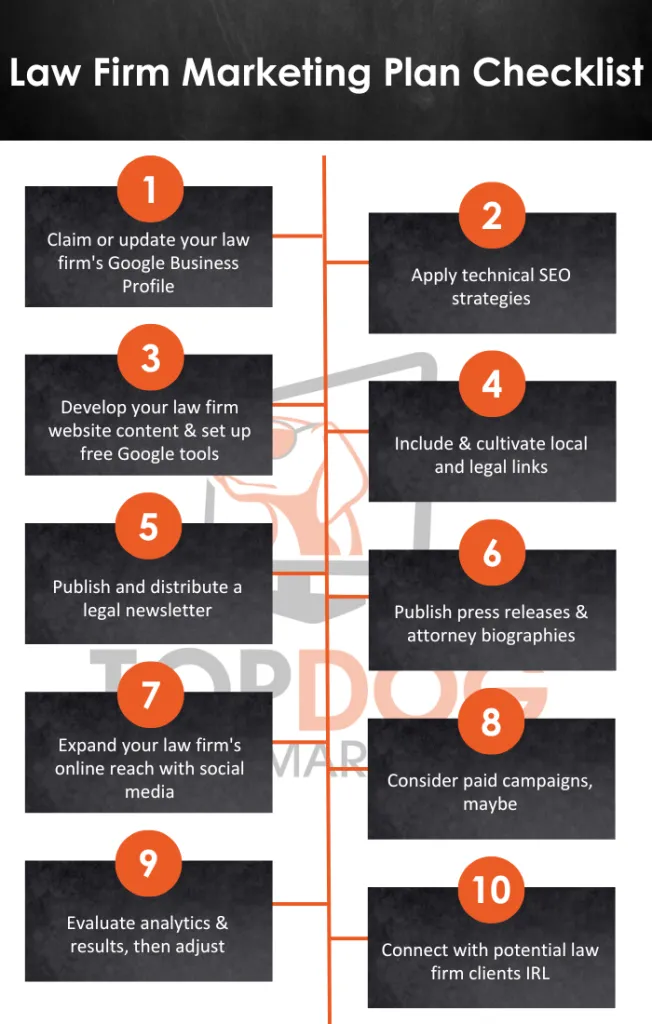
One area many firms overlook in attorney marketing strategies is consistency.
When your messaging changes from page to page or platform to platform, trust drops.
People want to feel confident that they are dealing with a stable, reliable firm. This is where well-maintained websites for attorneys support long-term credibility.
Consistency means your tone, contact details, and services match across the entire online presence.
Your website, directories, and profiles should tell the same story. If one page says you focus on family law and another highlights criminal defense without context, visitors may hesitate.
Strong consistency practices include
- Matching firm descriptions across all pages
- Updated licenses and credentials are shown clearly
- Compliance with bar advertising rules
- Regular reviews of published content
Attorney marketing strategies also rely on ethical promotion. Staying within advertising rules protects your reputation.
According to the American Bar Association, transparency and accuracy are key to public trust.
When people see steady and compliant messaging, confidence grows, and confidence leads to contact.
Conclusion
Attorney marketing strategies work best when they reflect how you already serve clients.
Clear communication, steady visibility, and honest guidance matter more than flashy tactics.
Start with trust. Focus on real questions. Stay visible where people search. Make it easy to reach you. Review results and adjust with care.
When done right, attorney marketing strategies feel like an extension of your practice rather than a separate task.
That is how you build growth that lasts and a reputation that speaks for itself.