Learn how often do you move apartments, why people move, and what affects your timeline. Clear tips backed by real stats and helpful insights.
You know that feeling when your lease is almost up, and you start asking yourself if you should stay or pack your things? You’re not alone.
Many people go through this regular cycle of picking up their lives and moving to a new apartment.
It happens more often than you might think, and after helping people with moving plans for years, I’ve seen the pattern up close.
Most of the time, your move isn’t just about boxes and trucks. It’s usually about changes in your life, work, school, a growing family, or simply wanting something better.
When you step back and look at how often people move, you start to see a rhythm. The numbers tell a story, and your personal life fills in the rest.
This post breaks down what affects how often you move apartments, how long people usually stay, and what trends shape these choices.
And I’ll walk you through everything in simple language, the same way I would explain it if we were talking over a cup of tea.
How Often People Really Move Apartments
Based on long-term data from the U.S. Census Bureau’s Geographical Mobility Report, renters move far more often than homeowners.
The Census reports that about 20% of renters move each year, while only 4% of homeowners do.
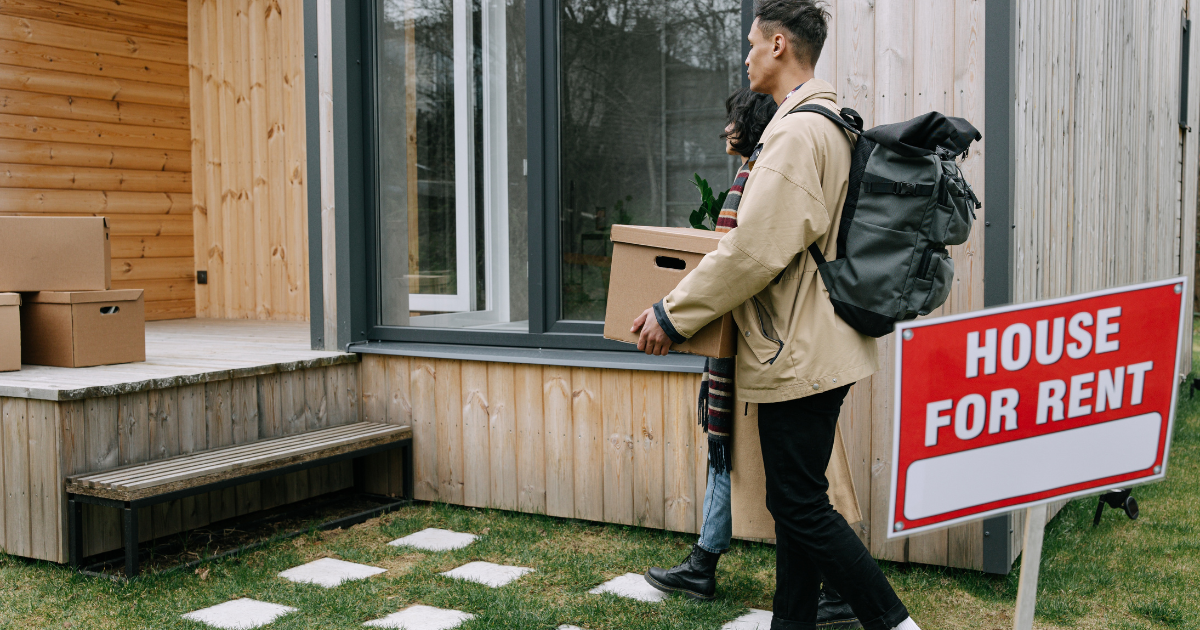
That means renters, on average, move every 2 to 3 years.
Most renters fall into one of these groups:
- People who move yearly because of lease cycles
- People who stay 2–3 years before outgrowing their space
- People who move after major life changes
If you’re in a place like London, Ontario and you’re planning your next move, you might end up using trusted help like moving services London Ontario from local pros who know how often renters shift homes in the city.
Cities with a large student population or younger workforce, like London, Ontario, have higher turnover rates.
This lines up with data from the Canadian Housing Statistics Program, which shows that younger renters switch housing more frequently than older groups.
You’re basically part of a bigger trend. If your life changes often, your apartment probably changes too.
Why People Move More Often Than They Plan

Most people don’t move “just because.” There’s usually a trigger.
And when you look at it closely, you’ll see that some reasons repeat over and over across the renter population.
Here are the most common reasons renters move, backed by data from the Harvard Joint Center for Housing Studies:
1. Money
Rent increases push many people to find a cheaper place. Rising housing costs are one of the biggest drivers of mobility.
2. More space
When you add a partner, a child, or even a pet to your life, your apartment can start to feel smaller overnight.
3. Work changes
A new job or a long commute can make people switch homes faster than they expected.
4. Maintenance issues
Bad heating, noisy neighbors, or endless repairs send many renters packing.
5. Life surprises
Breakups, school changes, family needs, these can speed up your moving timeline without warning.
If one of these reasons hits home for you, you’re not doing anything unusual. You’re reacting to life, the same way millions of renters do each year.
How Long Renters Want to Stay vs. How Long They Actually Stay
There’s a gap between what renters hope for and what actually happens. Lots of renters plan to stay somewhere “a few years,” but data tells a different story.
According to the Zillow Consumer Housing Trends Report:
- Many renters say they want stability
- But the average renter stays 27 months
- Nearly half move sooner than they thought
You know why? Because life rarely sticks to your plan. Apartment living is tied closely to life phases. When one phase ends, a move often follows.
If you’re single and renting, your stays might be shorter. If you’re settled in your job and community, you might go several years without moving.
This is why apartment movers London Ontario see busy seasons around graduation, job rotations, and lease renewals.
Patterns are predictable when you look at people’s timelines, not just buildings.
Factors That Affect Your Own Moving Frequency
Your personal moving cycle depends on a few simple things. You might not realize how much these everyday details play into it, but they can shorten or stretch out your time in a place.
1. Your stage of life
- Students move yearly
- Young workers move every 1–3 years
- Families move every 3–7 years
- Older adults move much less
2. Your income stability
If your income jumps or drops, your housing tends to shift too.
3. Local housing costs
Cities with rising rent naturally push people out quicker. This is why movers London Ontario often notice more activity when rental prices shift in the city.
4. Your support system
People with nearby family stay put longer because support makes living easier.
5. Comfort level
Sometimes you stay longer simply because you like the area, know your neighbors, and feel at ease.
Your moving frequency isn’t random. It’s a mix of your lifestyle, budget, and goals. When one of those changes, your apartment usually changes with it.
How Planning Ahead Helps You Move Less Often
A lot of renters move more than they want because they react instead of planning.
The good news? You can stretch your stay in an apartment with a bit of planning upfront.
Here are a few simple things that help:
- Pick the right location from the start. If you hate long travel times, you’ll move sooner. Choose a spot close to your daily life.
- Know the average rent increases in your area. Many cities publish yearly rent trends. This helps you avoid “surprise” hikes.
- Check the building’s reputation. Reviews and city complaints help you avoid poorly managed places.
- Use a reliable moving company when you do move. Good furniture movers London Ontario keep your items safe, so you’re not replacing broken things every move.
- Understand your lease terms. Things like renewal rules and penalty fees help you make better choices long-term.
Planning doesn’t guarantee you’ll stay forever. But it helps you stay where you want, not where you get pushed.
Conclusion
How often do you move apartments? Most people move every 2–3 years, and the reasons usually circle around money, life changes, and comfort.
Your own timeline depends on your stage of life and what’s going on around you.
When you understand the patterns that shape renter mobility, you’re better able to plan your next step.
Whether you end up calling movers London Ontario for help soon or you’re hoping to stay put for a while, knowing why people move makes your decision much clearer.
You deserve a place that fits your life, not one you feel forced to leave.
And the more you understand your own moving cycle, the easier it becomes to make smarter, calmer choices with each move.