
Can dental implants come loose? Learn the causes, warning signs, treatment options, and steps you can take to protect your dental implant.
You expect a dental implant to feel secure when you eat, speak, and smile.
So, when it starts moving or feels different from usual, it is natural to worry about what is happening beneath your gums.
You may wonder, can dental implants come loose after healing, or does movement mean the implant has failed?
Yes, dental implants can become loose. However, the problem does not always mean the implant post has failed.
Sometimes, the crown or the small screw connecting it to the implant has loosened. In other cases, infection or bone loss may affect the implant’s support.
Knowing the difference matters because each problem needs a different treatment.
If you notice movement, bleeding, swelling, or pain around your implant, contact a Dentist for an examination. Finding the cause early can help protect your oral health and prevent further damage.
Can Dental Implants Come Loose?
Yes, dental implants can loosen, although a properly healed implant should remain stable during normal chewing.
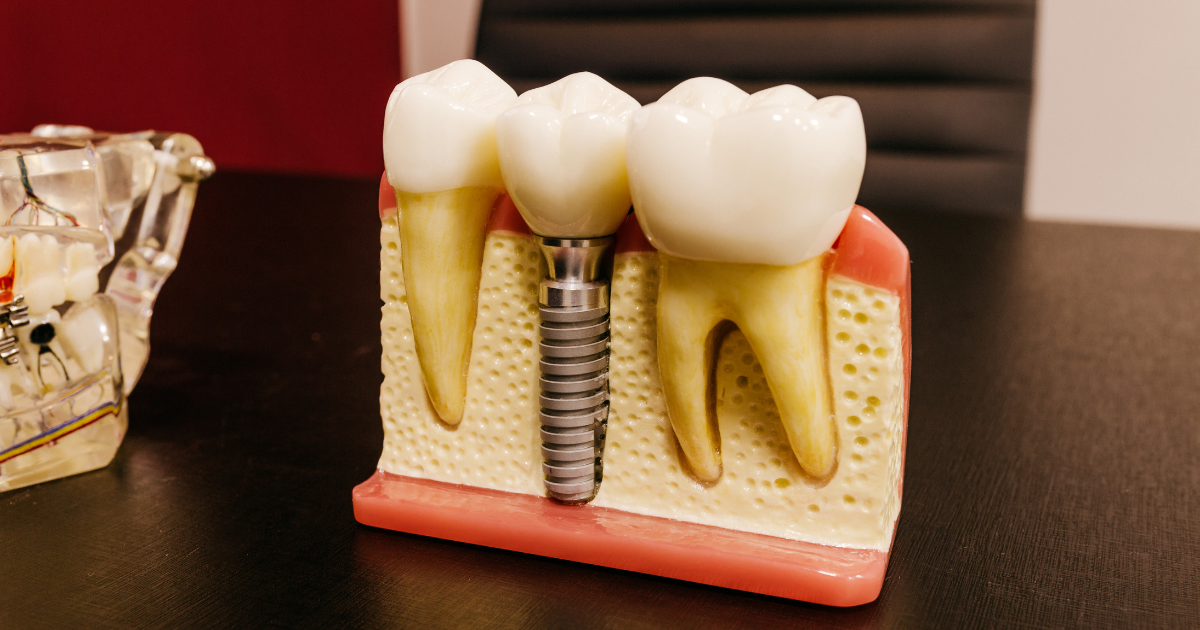
A dental implant has three main parts:
- Implant post: Sits inside the jawbone and supports the replacement tooth.
- Abutment: Connects the implant post to the crown.
- Crown: Looks and functions like a natural tooth.
If the crown or abutment moves, the implant post may still be firmly attached to the bone.
However, movement of the implant post itself is more concerning because it may indicate failed healing or bone loss.
A dental examination can help identify which part is affected.
Why Do Dental Implants Become Loose?
Several problems can cause an implant or its components to loosen.
1. The implant did not bond with the bone
After implant surgery, the jawbone needs time to bond with the implant. This process is called osseointegration.
If the bone does not attach properly, the implant may remain unstable. Infection, poor bone quality, and excessive pressure during healing can contribute to this problem.
2. Bone loss around the implant
Your implant depends on healthy bone for support. If the bone begins to break down, the implant may lose stability.
One possible cause is peri-implantitis, an inflammatory condition that damages the tissues around an implant and may lead to bone loss.
The American Academy of Periodontology explains the difference between healthy implant tissues and peri-implant diseases.
3. A loose crown or connecting screw
Sometimes, the implant itself is healthy, but the crown or abutment has become loose.
You might notice the replacement tooth rocking slightly or making a clicking sound when you bite. A dentist may be able to repair the problem without removing the implant post.
4. Teeth grinding or excessive biting pressure
Regular grinding or clenching can place extra pressure on an implant and its components. This may contribute to screw loosening, crown damage, or other mechanical problems.
A dentist may recommend a night guard if grinding is affecting your teeth or implant.
5. Infection around the implant
Infection and inflammation can damage the gums and supporting bone. Warning signs include redness, swelling, bleeding, tenderness, or pus around the implant.
Pain may be mild or absent, so do not assume everything is fine simply because the area does not hurt.
What Are the Signs of a Loose Dental Implant?

Watch for these changes:
- The crown or implant appears to move.
- Your bite feels different.
- Chewing causes discomfort.
- The gums around the implant bleed or swell.
- Pus or an unpleasant taste develops.
- The crown feels unstable.
- Food becomes trapped around the implant more often.
A healthy implant should not wobble. If you notice movement, arrange a dental appointment rather than repeatedly testing it with your fingers or tongue.
Can a Loose Dental Implant Be Fixed?
Yes, some problems can be repaired. Treatment depends on which part is loose and why.
Your dentist may:
- Tighten or replace a loose connecting screw.
- Repair or replace a damaged crown.
- Treat inflammation or infection around the implant.
- Check for bone loss using dental X-rays or other imaging when needed.
- Remove the implant if it has failed and cannot be saved.
If the implant post is loose, tightening the crown will not solve the underlying problem.
The dentist must assess the supporting bone and surrounding tissues before deciding on treatment.
In some cases, a replacement implant may be possible after the area heals.
However, this depends on the amount and quality of the remaining bone and your overall oral health.
Can Dental Implants Come Loose Years Later?
Yes. An implant can develop problems months or years after placement.
Peri-implantitis is one possible cause because it can gradually damage the bone supporting the implant.
Poor oral hygiene, smoking, and a history of gum disease may increase the risk of complications.
Regular dental checkups help your dental team spot changes before they become severe.
The American Dental Association’s dental implant guidance also highlights the importance of oral hygiene and ongoing dental care.
How Can You Prevent Dental Implant Problems?
You cannot prevent every complication, but these steps can help protect your implant:
- Brush twice daily: Clean around the implant carefully.
- Clean between your teeth: Use floss or interdental brushes recommended by your dental team.
- Attend regular checkups: Your dentist can check the gums, crown, bite, and supporting bone.
- Avoid smoking: Smoking can interfere with healing and increase the risk of implant complications.
- Manage teeth grinding: Ask whether a night guard would help.
- Follow aftercare instructions: Avoid putting excessive pressure on a new implant while it heals.
If you notice repeated bleeding or swelling, arrange an examination instead of waiting for the symptoms to disappear.
What Should You Do If Your Dental Implant Feels Loose?
Stop chewing hard foods on that side and contact your dentist promptly. Avoid trying to tighten, glue, or reposition the implant yourself.
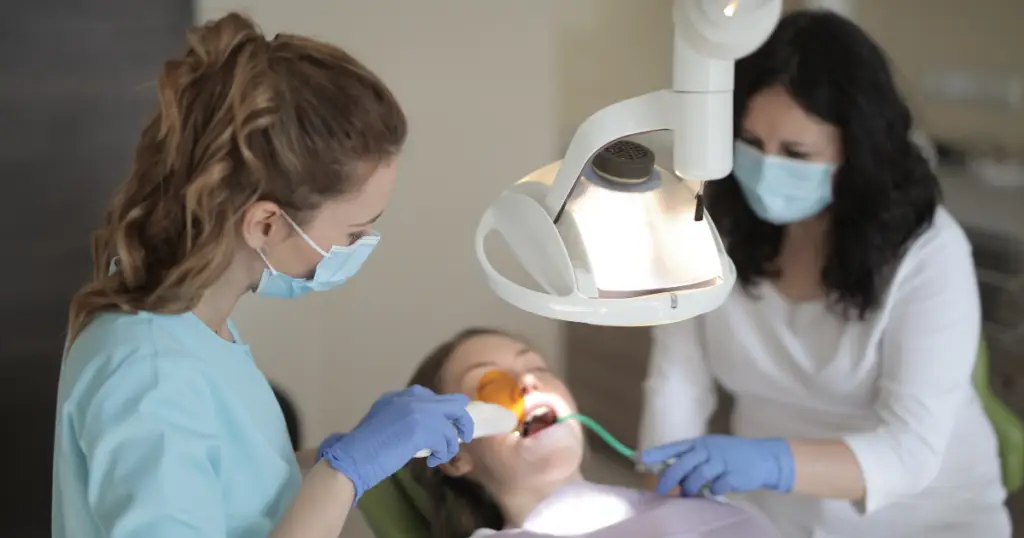
Your dentist will examine the implant and may take X-rays to check the surrounding bone.
The findings will help determine whether the problem is mechanical or related to infection or bone loss.
Seek urgent dental or medical care if you develop significant swelling, fever, or severe pain.
Difficulty swallowing or breathing requires emergency medical attention.
Conclusion
Can dental implants come loose? Yes, but movement does not always mean the entire implant has failed.
A loose crown or connecting screw may be repairable, while movement of the implant post may signal a more serious problem.
The best step is to have any unexpected movement checked promptly.
With proper cleaning, regular dental visits, and early treatment of problems, you can help protect your implant and support its long-term health.