Who can unclog a sewer line? Learn which professional to call, how to spot a main sewer blockage, and when your local sewer authority can help.
A blocked sewer line can turn an ordinary morning into a stressful experience. You flush the toilet, and instead of watching the water disappear, you see it rising.
Then the shower drain starts bubbling, and an unpleasant smell spreads through your home. At this point, using a plunger may not be enough. So, who can unclog a sewer line, and who should you call before the problem gets worse?
In most cases, a licensed plumber or professional drainage company such as riool ontstoppen utrecht (sewer unblocking Utrecht) can inspect and clear a blocked private sewer line. However, if the blockage is in a public sewer, your local wastewater authority may be responsible.
Knowing who handles the problem can save you time, prevent unnecessary expenses, and protect your property from sewage damage. Let’s look at your options, the warning signs, and what you should do when wastewater stops flowing properly.
Who Can Unclog a Sewer Line?
Three types of service providers may help, depending on where the blockage is located.
A licensed plumber
A licensed plumber is often the first person to call when you suspect a blocked sewer line.
Plumbers can inspect drainage problems, clear many types of blockages, and check whether a pipe needs repair.
They may use a drain auger, also called a drain snake, to break up or remove material stuck inside the pipe. Some plumbers also offer camera inspections to find deeper problems.
Before booking, ask whether the plumber handles main sewer lines, since not every plumber offers underground drain cleaning.
A specialist drainage company
A drainage company focuses on blocked drains, sewer pipes, and related problems.
It may be a better choice when the blockage is deep underground, keeps returning, or needs special equipment.
In Dutch, you may see the term Tontstoppingsbedrijf utrecht when searching for a drain-clearing company in Utrecht.
Whatever service you choose, check its experience, equipment, and pricing before agreeing to the work.
Your local sewer authority
If the blockage affects a public sewer, contact the water or wastewater authority responsible for your area.
It may inspect the problem and arrange repairs if the public system is at fault.
The UK water services regulator, Ofwat, explains how responsibility is divided between property owners and sewerage companies.
The exact rules depend on where you live.
How Do You Know Your Main Sewer Line Is Blocked?
A blocked main sewer line often affects several drains at once.
Look for these warning signs:
- Several slow drains: The toilet, shower, and sink may all drain poorly.
- Water backing up: Flushing the toilet may cause water to rise in a bathtub or shower.
- Gurgling sounds: Drains may bubble when you flush or run water.
- Sewage smells: A strong, unpleasant smell may come from indoor drains or an outdoor inspection chamber.
- Wastewater coming indoors: Sewage may rise through a floor drain or toilet.
One slow sink does not always mean the main sewer line is blocked.
It may be a local clog.
However, when several fixtures have problems at the same time, the blockage may be farther down the system.
The US Environmental Protection Agency’s septic system guidance also lists slow drains, gurgling sounds, sewage backups, and bad smells as signs of wastewater system trouble.
What Causes a Sewer Line to Clog?
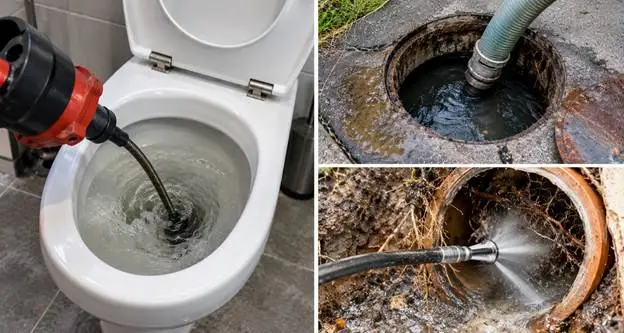
Finding the cause matters because clearing the blockage may not fix the problem for good.
Common causes include:
- Grease and fat: These can stick to pipe walls and trap other waste.
- Wet wipes and hygiene products: These items can collect inside pipes and restrict water flow.
- Tree roots: Roots may enter cracks or loose pipe joints and grow inside the line.
- Broken or collapsed pipes: Damaged pipes can trap waste or stop wastewater from flowing.
- Too much debris: Dirt, sediment, and other material may build up in some drainage systems.
For example, if a plumber removes tree roots but leaves a damaged pipe untreated, the roots may grow back.
A camera inspection can help show whether the pipe is clean and in good condition or needs further work.
How Do Professionals Unclog a Sewer Line?
The method depends on the blockage and the condition of the pipe.
Drain augering: A rotating cable breaks up a blockage or pulls material out of the pipe. This can work well for many common clogs.
High-pressure water jetting: Special equipment sends water through the pipe to remove grease, sludge, and other buildup.
The operator must check that the pipe can handle the pressure.
Sewer camera inspection: A small camera travels through the pipe and sends images to a screen. This helps locate blockages, cracks, root growth, and other damage.
Pipe repair or replacement: If a pipe has collapsed or suffered serious damage, cleaning alone may not solve the problem.
A reliable provider should explain what they found, which method they recommend, and whether further repairs are needed.
Ask for the expected cost before approving major work.
What Should You Do Before Help Arrives?
If sewage is backing up, take these steps while arranging professional help.
- Stop using water where possible. Avoid flushing toilets, running washing machines, or taking showers. More water may worsen the backup.
- Keep people and pets away from sewage. Wastewater can contain harmful germs.
- Avoid chemical drain cleaners. They may not reach the blockage and can create hazards for anyone working on the pipe.
- Stay away from electrical hazards. If sewage reaches electrical outlets or appliances, do not enter the affected area if it may be unsafe.
- Describe the problem when calling. Explain which drains are affected, when the issue started, and whether sewage has entered your home.
The EPA advises avoiding contact with sewage because it may contain harmful pathogens. Follow local public health advice if your home has been contaminated.
Who Pays to Unclog a Sewer Line?
Payment often depends on the location of the blockage and local rules.
- Private pipes serving your home: The property owner is often responsible for arranging and paying for repairs.
- Public sewer pipes: The local sewer authority may be responsible for clearing the blockage.
- Rented homes: Contact your landlord or property manager to report the problem and confirm who must arrange repairs.
Do not assume that a pipe outside your home automatically belongs to the public sewer system.
Some private pipes run underground beyond the building itself.
If you are unsure, contact your local wastewater authority before paying for major work.
If you own a home with drainage insurance, check whether your policy covers blockages or pipe repairs.
How Can You Prevent Another Sewer Blockage?
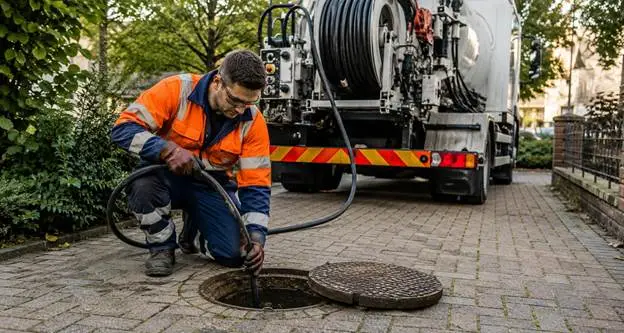
You cannot prevent every blockage, but a few habits can lower the risk.
- Put cooking grease in a container instead of pouring it down the sink.
- Flush only human waste and toilet paper, unless local guidance states otherwise.
- Keep wipes, cotton buds, and hygiene products out of toilets.
- Arrange an inspection if blockages happen repeatedly.
- If your property has old pipes or nearby trees, ask whether periodic pipe checks would help.
Repeated clogs are worth investigating.
Clearing the same blockage again and again without finding its cause may cost more over time.
Conclusion
So, who can unclog a sewer line? A licensed plumber or specialist drainage company can usually handle a blockage in a private sewer line.
If the problem lies in the public sewer, your local wastewater authority may need to take action.
If several drains are backing up, stop using water and arrange an inspection.